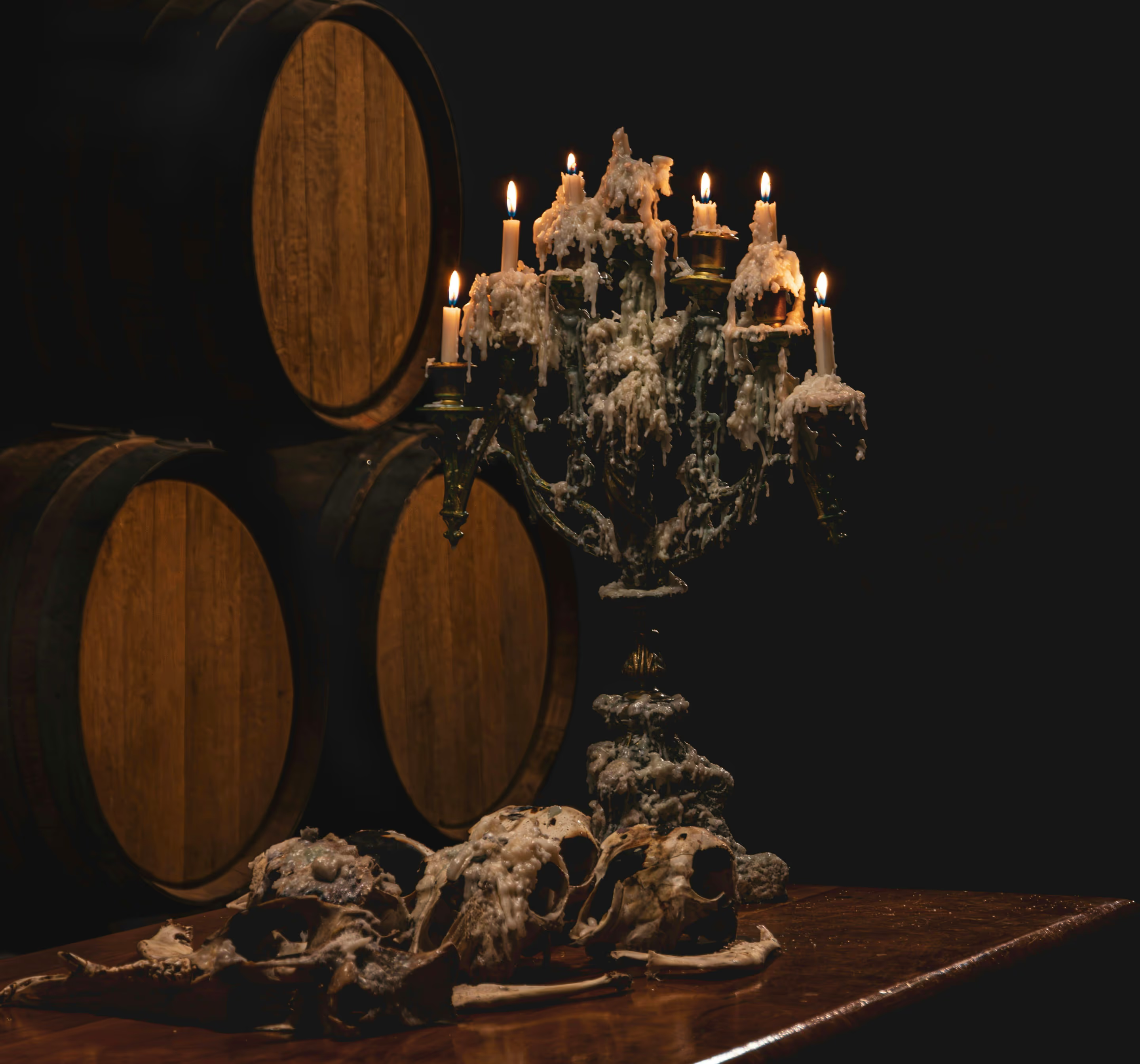
Candlelight in a cellar. Olive oil on the table. Old wine-making stories behind a garden wall. Maipú rewards a day built around a few places you can properly enjoy.
Maipú offers wine estates alongside olive production, food and the buildings of Mendoza's wine history. Its districts spread the experience across more than a single town centre. Start with what interests you most: a particular cellar, the taste of local olive oil or the heritage behind the industry. Then bring the day together around a realistic route and a table worth staying at.
01
For a day from Mendoza
One dedicated day can combine two different experiences without reducing either to a quick stop. Pair a winery with an olive producer or a heritage visit, then decide where lunch belongs. Confirm the time needed at each place before adding another name to the route.
02
For wine and history
The historic Giol and Gargantini chalets, associated with the Museo Nacional del Vino y la Vendimia, offer context beyond today's tasting rooms. Check current visitor access before travelling. A museum visit and a contemporary estate can make a useful comparison across generations of wine-making.
03
For a quieter local stay
A night or two can suit a particular rural property or a slower sequence of appointments. Check meals and transport outside visiting hours. The convenience of a Mendoza city base and the atmosphere of a country stay are different advantages; choose the one you will actually use.
Maipú · Olive oil at the table
Another taste of the countryside
Make room for the olive.
Maipú olive visits offer a different subject from another wine flight: the national tourism overview names Laur and Pasrai as examples where oil production is interpreted alongside tastings. Compare the oils as food and ask how they are used at the table. Production is seasonal, so confirm what the visit covers on your dates rather than expecting machinery to be running.
01
Check what visitors can see
A tasting, shop visit and production tour are different offers. Processing is seasonal, so confirm what is available during your dates rather than expecting machinery to be running.
02
Taste before buying
Ask how the oil is intended to be used and stored. Choose what you enjoy eating, and check luggage arrangements if you plan to take bottles onward.
Bodega Trapiche, Maipú · Wine in the sunlight
Behind the label
Look into the story of the estate.
At Ozamis 914, the Giol–Gargantini heritage account introduces Casa Giol, Casa Gargantini and the Casita de las Muñecas. These buildings connect Maipú’s wine history with the owners’ domestic lives and chalet architecture. That is a different perspective from seeing wine made in a working cellar. The municipal article documents the history through a May 2025 event; it is historical evidence, not a current visitor-booking page.
01
Ask what the visit includes
For a working winery, establish whether the experience centres on production spaces, vineyard or glass. Use the booking checklist below for the practical arrangements, keeping that visit distinct from the historic houses.
02
Add historical context
Casa Giol and Casa Gargantini make the owners’ homes part of the wine story, while the Casita de las Muñecas completes the three-building ensemble. Look for the contrast between domestic architecture and the work of a cellar; the historical account alone does not establish which interiors are open now.
Argentine food · Chorizo and bread in close-up
A pause between visits
Give lunch a place in the plan.
A good Maipú day can move from cellar stories to the table without another appointment immediately behind it. Choose between an estate meal and a simpler local lunch. Argentine grilling, bread and a glass chosen for the food can be enough to give the afternoon its character.
01
Choose the meal you want
A fixed menu makes the kitchen’s sequence the centre of lunch; à la carte dining lets your party choose individual dishes. A wine pairing is another decision within the meal, not a reason to order more courses than you want.
02
Keep the route short afterwards
A relaxed lunch and one well-chosen visit may suit better than a third tasting. Arrange the return with a driver who is not drinking.
Plan your visit
Put the visits in a sensible order.
Time allowances are our editorial suggestions. Check access and transport for your dates.
01
Choosing districts
Check the exact addresses.
Coquimbito, Cruz de Piedra and Rodeo del Medio appear in Maipú's wine-country offer, but they are separate places. Locate the actual estate entrances and museum before confirming times. A route built around two nearby interests leaves more room for conversation than a list chosen solely by name recognition.
02
Heritage
Confirm access to the historic buildings.
Confirm current interior access to the Museo Nacional del Vino y la Vendimia complex through the municipal tourism office before travelling for the houses. Establish which spaces, if any, can be visited on your date. The historical event account does not establish ordinary opening hours, daily admission or a standing guided-visit programme.
03
Olive visits
Choose a complementary experience.
Ask an olive producer whether the visit covers growing, processing, tasting or simply a shop. The season changes what production activity can be seen. Combining an olive visit with a cellar can add variety to the day, particularly for a group whose interests extend beyond wine tasting.
04
Cycling or a driver
Match transport to the route.
Before hiring a bicycle, discuss the specific itinerary, road surfaces, junctions and weather with a local provider. Do not assume a rural address means a quiet lane. For a tasting-focused day, an arranged driver can simplify transfers and the journey home. Keep alcohol consumption separate from operating a vehicle.
05
Bookings
Reserve the parts that anchor the day.
Book the experience you most want first, then fit a meal and any second visit around the host’s stated duration and the actual transfer. Confirm whether the reservation includes a tour, tasting, fixed menu or à la carte meal, any pairing and your dietary needs. Ask about cancellations and changes directly if your arrival plans move.
06
Staying overnight
Plan the evening as carefully as the day.
A rural property may be appealing after visitors leave, but check whether dinner is available and how you would reach alternatives. Confirm return transfers, luggage arrangements and the next morning's departure. If most evenings and onward connections are in Mendoza, a city base may keep the wider trip simpler.
Before you go
Check the details for your dates.
Official visitor information and background for the places described here.
Luján de Cuyo offers another group of estates and the village atmosphere of Chacras de Coria. Give the two districts their own days and enjoy the differences between them.