
From Buenos Aires to Uruguay
Argentina · Wildlife and birdwatching
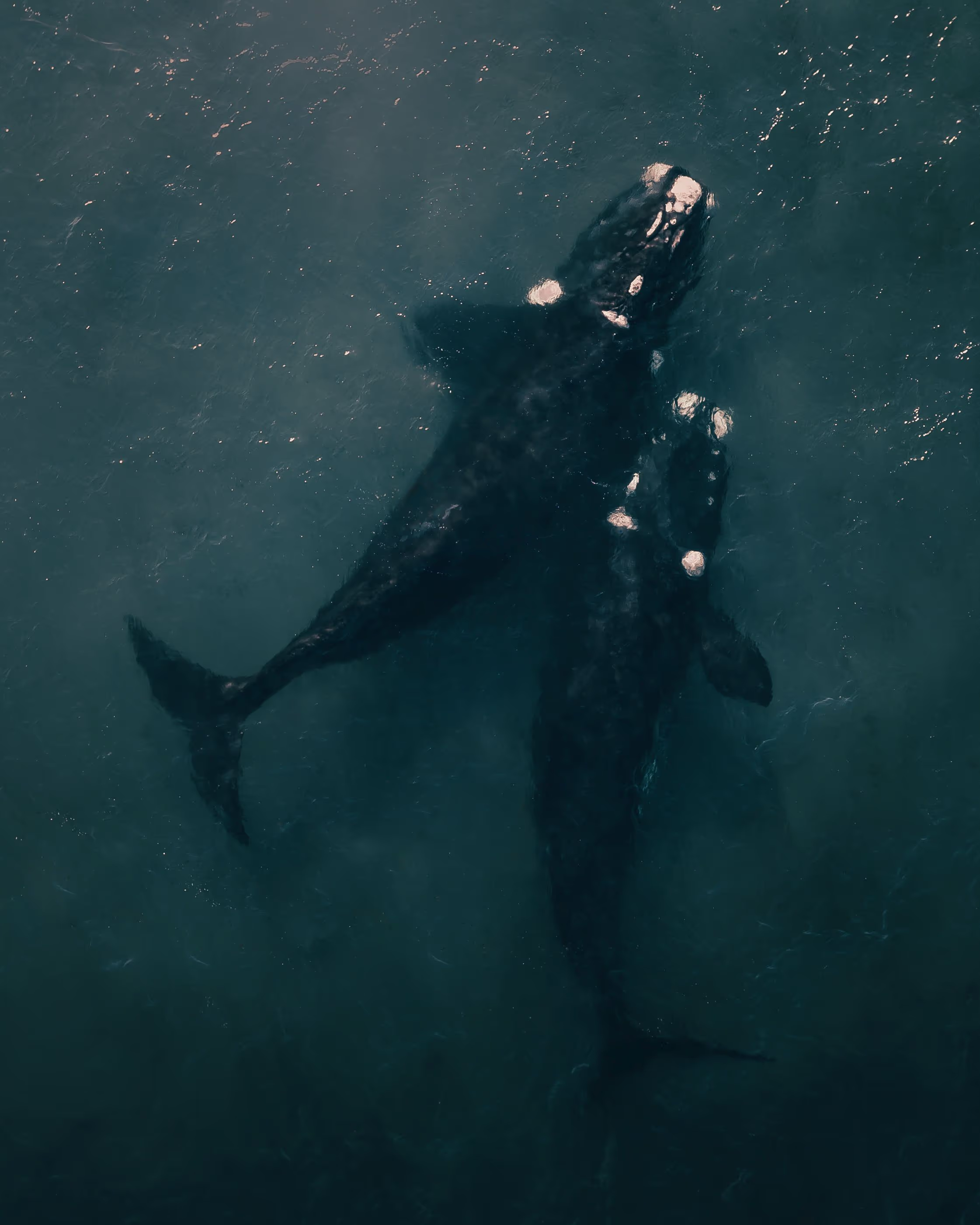
Whales in an Atlantic bay, a capybara beside the reeds, a condor above the forest. Choose the habitat, then give it time.
Find your wildlife settingStart with a place, not a checklist
Argentina's wildlife journeys depend on where you go and how you spend the day. Iberá rewards slow movement through wetlands; Atlantic Patagonia brings breeding colonies and seasonal marine visitors; Misiones asks you to look into the canopy as well as towards the falls. In the mountains, an apparently empty hillside can become interesting when you stop scanning for a single famous animal. Decide which environment you want to understand, then choose accommodation and outings that put you there at useful times. A short encounter is more satisfying when it belongs to a fuller day of watching, listening and learning. These are wild populations, so no itinerary can promise a particular sighting.
If whales or a breeding colony are the main reason for travelling, start with the local seasonal calendar before booking flights. A destination can be rewarding outside that period, but for different reasons. Avoid treating a broad national wildlife season as a promise for every species or site.
Three or four nights in a wildlife area can make more sense than collecting distant reserves. Different weather, light and times of day change what you notice. A local guide can suggest a useful mix of boat, shore and walking outings rather than repeat one unsuccessful excursion.
Stay within visitor areas, let animals choose their distance and keep routes between nests and water clear. Binoculars improve an encounter without moving closer. Do not feed wildlife or use calls to draw birds into a photograph; the animal's ordinary behaviour is the thing you came to see.

01 · Iberá · Corrientes
Iberá offers wildlife at an intimate scale. Capybaras settle beside the water, yacarés rest among vegetation and birds use the marshes, open water and grassland in different ways. A quiet boat outing and a walk through a drier sector reveal different parts of that landscape. Colonia Carlos Pellegrini is a useful base beside Laguna Iberá, while other gateways connect to different sectors of the wider protected area. They are not entrances to one compact park loop. National-park land and the neighbouring provincial park also have different access arrangements; many water outings take place in the provincial area. Choose your gateway before choosing accommodation, and allow at least two full days if observing wildlife is central to the stay.
A boat's low viewpoint brings you close to reeds and floating vegetation without requiring a long walk. A land outing adds grassland birds and a different sense of the ecosystem. Ask a local guide which combination suits the season and the conditions around your chosen gateway.
Travel time into the wetlands can be as significant as the excursion itself. Conditions on unpaved approaches change after rain. Confirm the transfer with your accommodation and leave the arrival afternoon flexible instead of making a boat departure depend on an optimistic driving estimate.

02 · Atlantic Patagonia · Chubut
Puerto Madryn, Península Valdés and Punta Tombo offer related but distinct wildlife days. Southern right whales bring visitors to the gulfs during their seasonal stay; boat observation is associated with Puerto Pirámides, while shore viewing offers another perspective where conditions and local guidance allow it. Magellanic penguin colonies operate on a different calendar, linked to their time ashore for breeding. Sea lions, elephant seals and coastal birds add other possibilities around the peninsula. The distances between viewing areas matter: a sailing, a peninsula circuit and Punta Tombo should not be compressed into one day. Several nights in Puerto Madryn give you a practical town base, while a stay in Puerto Pirámides places you closer to the bay.
Wind and sea conditions can change a boat departure. Leave space to move it within the stay, and use a different day for distant viewpoints or a penguin colony. An operator's actual route and observation format matter more than the number of animals pictured in its advertising.
At a penguin site, time spent beside the designated path reveals walking, resting and social behaviour. Keep the crossing between burrows and the sea open. A longer lens gives a close view while allowing the animals to continue their normal movements.

03 · Iguazú and Misiones · Atlantic forest
The falls can easily occupy all your attention at Iguazú, yet the surrounding forest gives the visit another dimension. Birds move through different levels of the canopy, butterflies gather in patches of light and coatis often appear around busy visitor areas. Their familiarity with people is a reason to protect your food and keep your distance, rather than encourage an encounter. Make the waterfall circuits one part of the stay and reserve a quieter, guided forest outing if birdwatching interests you. A specialist can distinguish a call or movement that most visitors miss. Puerto Iguazú works as a base for both, allowing you to separate a full falls day from a morning focused on the forest.
A general sightseeing excursion and a birding walk have different rhythms. Ask about the habitat, group size and amount of walking. A slower route with time to listen can be more useful than a long list of stops when birds are the reason for going. Aves Argentinas is a national bird-conservation organization and member of BirdLife International. Its digital field guide combines identification material, calls and habitat information; its birdwatching-club network offers a starting point for learning about local birding. Check the club's current activities directly.
Iberá and Iguazú are both in the Northeast, but they involve separate journeys, accommodation and habitats. Give each a proper stay if combining them. Moving directly from a waterfall circuit into a long transfer leaves little time to experience the forest itself.

04 · The Andes and Patagonia · Open country
Mountain wildlife often arrives as a brief movement in a large landscape. A condor may cross a ridge, while guanacos and other animals occupy open steppe farther from the forested slopes. In the Lake District, watching birds can fit naturally into a lower forest walk or a pause beside a lake. El Bolsón and other northern Patagonian bases offer a different setting from the broad country around El Calafate. Choose the walking terrain for your ability first, then enjoy the wildlife it supports; reaching a difficult viewpoint is not a guarantee of a better encounter. A guide with an interest in natural history can turn a modest route into a richer day by explaining vegetation, tracks and the relationships between habitats.
Stop where you can stand comfortably and scan the ridges without blocking a path. Binoculars help distinguish a bird from a distant shape, but repeated quiet observation matters too. A short walk with several deliberate pauses can reveal more than a hurried march to a lookout.
A photograph from high mountain country does not describe every outing from the nearest town. Forest, lake shore and dry steppe support different wildlife. Match a guide or excursion to the habitat that interests you instead of asking one day to cover them all.

Stay with the moment
Choose fewer wildlife areas and give each one time. A changing sky, a call from the reeds or an animal returning to the water can become the detail you remember most. Build the rest of the journey around that slower way of seeing.
Find another kind of dayFrom the journal
From Buenos Aires to Uruguay

Make the journey fit together

Jujuy, community and celebration