
From Buenos Aires to Uruguay
Argentina · Culture and city life
Grand theatres, neighbourhood cafés, university streets and music after dark. Explore the cities through the buildings and the people who keep using them.
Choose your city rhythmLook up, then settle in
Argentina's cultural life is found in major institutions and in ordinary routines: a bookshop that fills an old theatre, an afternoon café, a museum visit followed by a neighbourhood walk. Buenos Aires can occupy several days without repeating the same experience. Córdoba connects a historic university city with contemporary arts and lively districts, while Salta brings museums, regional music and the Northwest's wider cultural setting together. Choose one or two interests to shape each day instead of moving through a checklist of buildings. A guided visit can explain what you are looking at; an unhurried afternoon helps you see how the surrounding city works. Leave evenings available when music, theatre or dance is part of the reason for coming.
Group a museum, a walk and a café in the same part of the city. Buenos Aires in particular rewards neighbourhood days rather than constant cross-city transfers. A single substantial visit with time around it can tell you more than several brief stops connected only by taxis.
A theatre tour is different from attending a performance; a tango show is different from a social dance. Check the current programme, language and format before reserving. Build the rest of the day around the experience you have actually chosen, including the journey home afterwards.
Colonial buildings, immigrant neighbourhoods and archaeological collections tell different parts of Argentina's history. Seek the interpretation and people behind them, and recognise that Indigenous cultures are contemporary as well as historical. Ask before photographing people or sensitive spaces, and follow the institution's guidance.

01 · Buenos Aires · Buildings with another life
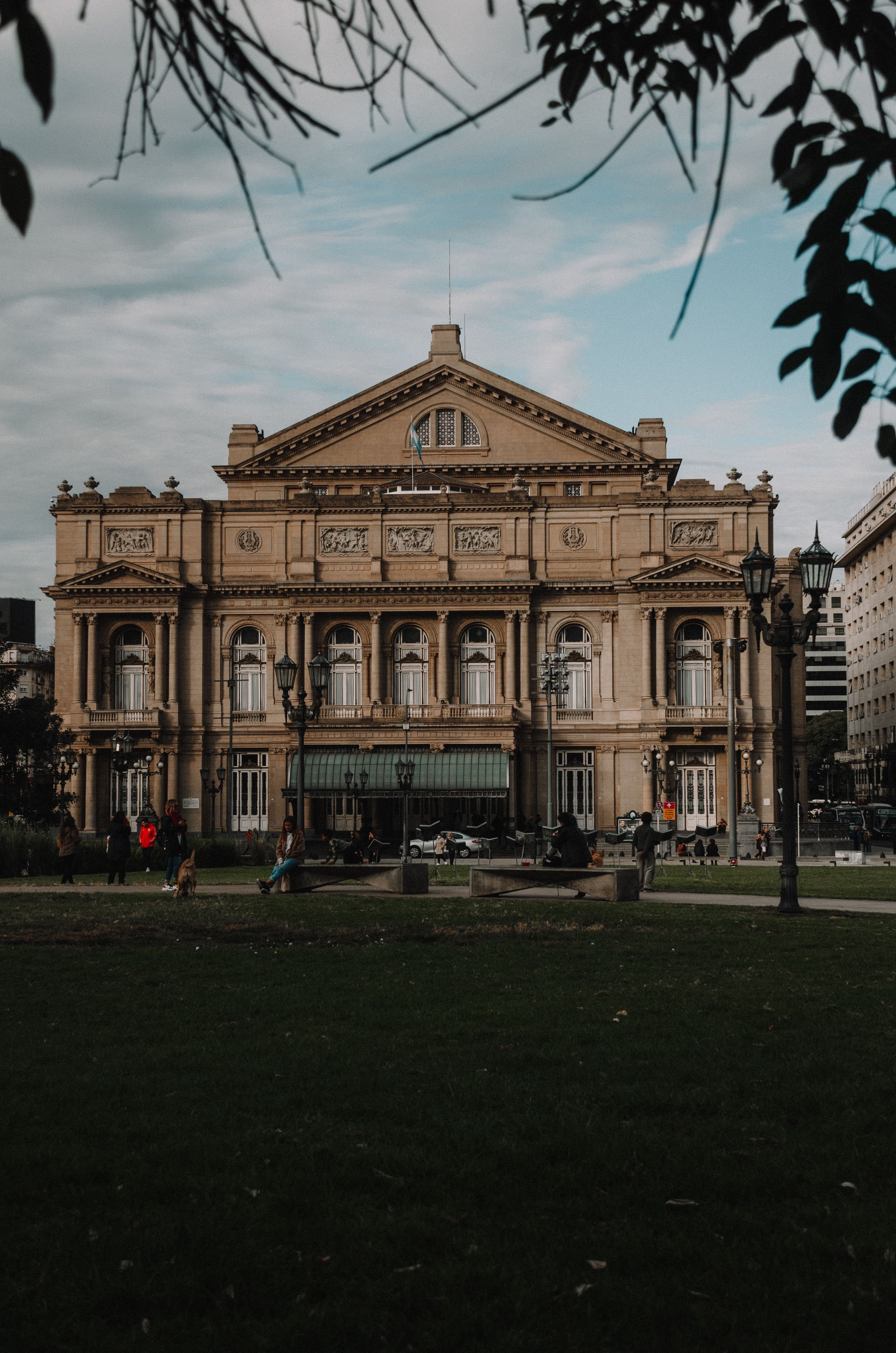
Some of Buenos Aires's most rewarding visits begin behind a familiar façade. El Ateneo Grand Splendid places a bookshop inside a former theatre, making the balconies and auditorium part of an everyday retail space. Teatro Colón offers a different relationship with performance: choose between an architectural visit and a seat for a programmed event. Recoleta combines major cultural stops with the cemetery's extraordinary funerary architecture, while Avenida de Mayo and the historic centre reveal another sequence of public buildings, cafés and streets. These places are spread across different districts. Give one area a proper day, with a museum or interior visit at its centre, instead of trying to connect every celebrated building before lunch. The city becomes more legible when you have time to notice the streets between them.
A short look at a room and a guided architectural visit serve different interests. At working cultural institutions, access can change with the programme. Confirm the visit you want and leave room afterwards to read, sit or continue walking in the neighbourhood.
Recoleta's tombs reward attention to sculpture and design, but they are also memorials. A thoughtful guide can connect the architecture with the people and the period. Follow visitor rules and keep your pace considerate around other visitors and families.

02 · Córdoba · History and a living university city
Córdoba's historic centre offers a compact starting point around Plaza San Martín, the cathedral and the Manzana Jesuítica. The university and religious buildings give the city a long intellectual and institutional history, but a stay becomes richer when you connect that core with other districts. Nueva Córdoba adds museums and a different urban scale, while Güemes brings cafés, shops and arts activity into a more informal neighbourhood setting. The Iglesia de los Capuchinos is another distinctive architectural stop, separate from the Jesuit block. Two or three nights allow time for a substantial museum visit, a central walk and an evening in another district. The surrounding sierras make a natural next chapter, though a long country excursion should have its own day rather than consume the hours reserved for the city.
The cathedral, Jesuit block and Capuchinos church belong to different periods and stories. A route that explains those differences is more useful than a sequence of similar building photographs. Choose a guided visit or museum that helps you understand what connects the city to the region.
After a day in the historic centre, explore a neighbourhood where you can walk between a café, a shop and dinner. Check the current timing of any fair or cultural event you want to see. A lively district on one evening can feel quite different on another.

03 · Salta · A city within the Northwest
Salta is a useful introduction to the Northwest because museums, architecture and evening music sit within a walkable central area. Plaza 9 de Julio provides a starting point, with the cathedral and other historic buildings nearby; San Francisco adds another distinctive façade a short walk away. The Museo de Arqueología de Alta Montaña offers a focused encounter with high-altitude Inca archaeology and requires a thoughtful approach to its sensitive displays. A peña can connect the evening with regional music and food, while a market or café adds a more everyday experience. Give the city at least a couple of nights before setting out for the valleys if culture is part of the journey. An early departure every morning leaves little room for the city's own rhythm.
Collections differ in scale and subject. Read what is on display before deciding how much time to allow, particularly when an exhibition involves human remains or other sensitive material. One visit approached with attention can be more valuable than several rooms seen quickly.
Cachi, Cafayate and the Quebrada de Humahuaca add different cultural settings, rather than repeat Salta on a smaller scale. Local museums, craftspeople and community-led experiences can deepen the journey. Allow the time and access arrangements each place needs instead of treating people and villages as roadside scenery.

04 · Tango, cafés and neighbourhood life
Buenos Aires offers several ways to encounter tango. A stage show presents a designed performance; a class introduces the movement; a milonga is a social setting with its own customs and dance floor. Choose the format that fits your interest and comfort rather than assume one is the authentic version of all the others. A street performance, such as those visitors may encounter in La Boca, has another purpose and pace. Around these experiences, café culture, bookshops and neighbourhood restaurants give the city its daily texture. San Telmo, Villa Crespo, Chacarita and Palermo each offer different combinations of walking, eating and evening life. Return to a district at another time of day and it may feel like a different place, without requiring another major attraction.
Ask about a beginner-friendly class or visitor arrangements if you are new to social tango. Watch how the room works before joining the floor, and follow the organiser's guidance. An evening spent listening and observing can be rewarding without having to dance.
Sit with a coffee, browse a bookshop or return to a small restaurant you liked. These quieter moments balance formal cultural visits and help a city feel connected. Leave the following morning flexible after a late performance so the evening does not become another rushed appointment.

Another street, another detail
Choose a few places that speak to your interests, then leave room to wander between them. Architecture, music and ordinary neighbourhood life become more memorable when they belong to the same day, with time to notice how one leads into the next.
Find the next tableFrom the journal
From Buenos Aires to Uruguay

Make the journey fit together

Jujuy, community and celebration