
From Buenos Aires to Uruguay
Argentina · Hiking and trekking
Granite valleys, lake forests and the far southern shore. Choose a walking region for the terrain, season and kind of day you want.
Compare the walking regionsBegin with the right scale
Argentina has walks for very different ambitions. A short forest circuit, a long mountain day and a trek between refuges can all be rewarding, but they should not be planned as versions of the same outing. Begin with the terrain you enjoy, the effort you can sustain and the season of the visit. Then choose a base with enough time for several possibilities. Distances are only one part of the picture: elevation, mud, exposure, access and the return journey matter too. Use this overview to compare regions, then move into the destination guide for the routes that suit your trip. Current park and local guidance should shape the final choice before you set out.
Plan for the slowest comfortable pace in the group, including the return. A route description aimed at experienced mountain walkers may not describe your day. Leave enough energy for the final kilometres and avoid making a high viewpoint the only acceptable outcome.
Two major walks do not necessarily belong on consecutive days. Several nights let you add a shorter outing or an easier day and respond to conditions. The flexibility can be more valuable than another distant destination squeezed into the same week.
Find the actual trailhead, current route status and any registration or entry arrangement. Confirm the return transport for a one-way walk. Carry what the outing needs and choose a guide when the terrain, access or your experience makes one useful.

01 · El Chaltén and the Southern Patagonian mountains
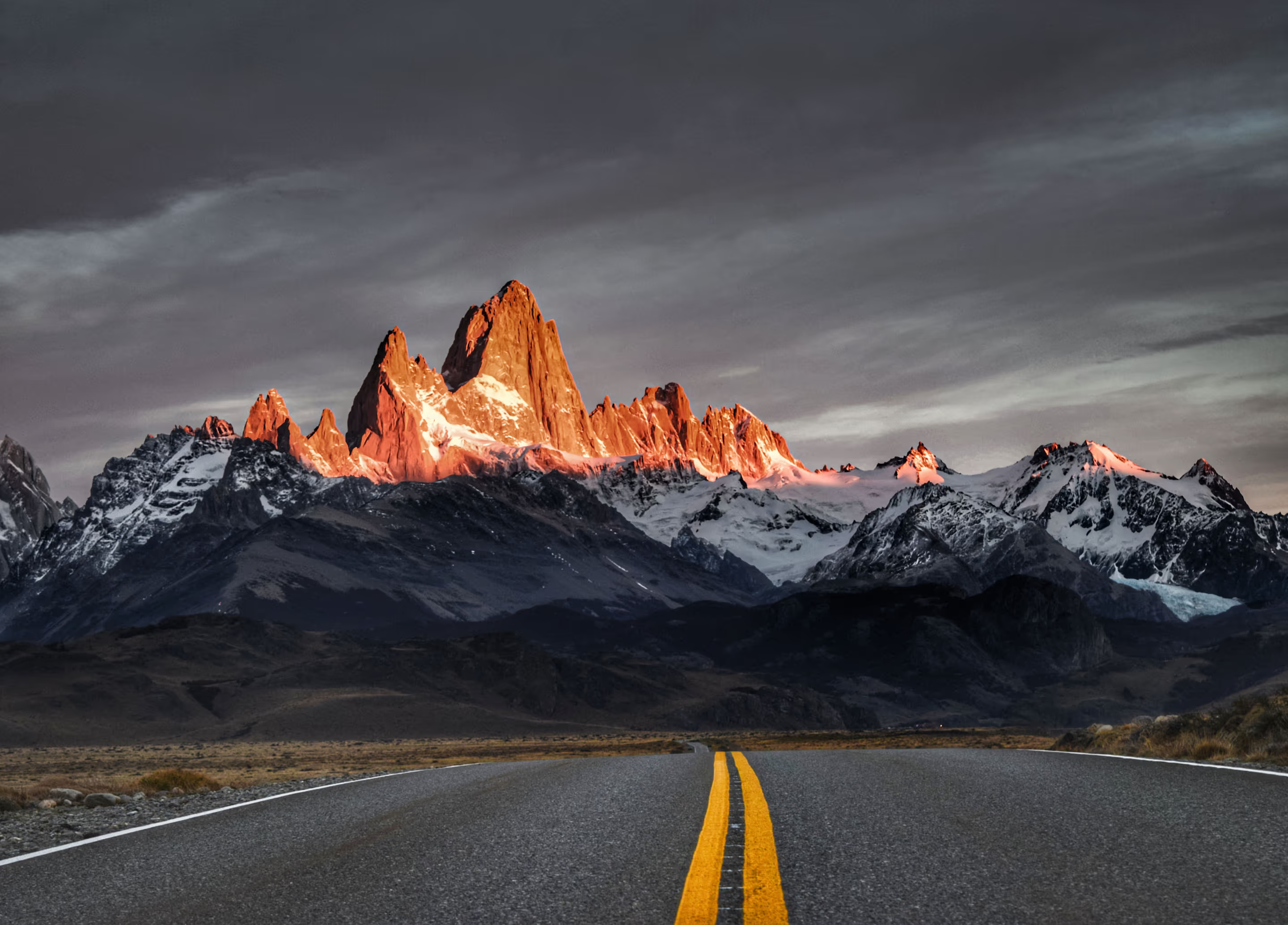
El Chaltén is a strong choice when walking is the main reason for the trip. Several routes begin close to town, which makes it possible to stay in one place and build different days around the mountains. Laguna de los Tres and Laguna Torre are the familiar ambitions, but they ask different things of a walker. The steep final climb to the Fitz Roy lake changes the effort of the first; the Torre route follows a long valley towards its lake and glacier setting. Shorter viewpoints and Laguna Capri offer alternatives. Choose several nights if the mountains are central to the journey, so the best available weather can guide the order rather than force one famous walk into a fixed morning.
Begin with a shorter outing and see how the group responds to the terrain and conditions. A lake or viewpoint can be a complete objective. Turning around at a planned earlier point is a sensible way to keep the experience enjoyable.
A flexible town base lets you alternate demanding walks, shorter routes and rest. Keep the journey to El Calafate or another distant stop separate from an ambitious hike. Transport-day pressure rarely improves a mountain decision.

02 · Bariloche and the Lake District
Northern Patagonia offers a broad range of walking settings, from wooded lake shores to rocky high ground. Bariloche works well for travellers who want town life and other outings between hikes. Nahuel Huapi's different sectors need their own access plan, while the refugio routes involve more effort and preparation than a short forest circuit. Villa La Angostura, San Martín de los Andes, El Bolsón and the Esquel area provide other bases with distinct surroundings. Choose one or two that fit the journey rather than change beds every night along the lakes corridor. A smaller area explored properly often gives you more time on paths and less time organising the next transfer.
A mountain refuge can be the destination of a substantial day walk or part of a longer journey. The approach, available services, sleeping arrangements and registration requirements vary. Decide which outing you want before assuming an overnight is a simple extension.
Lake views and forest trails can suit a mixed-ability group or a day when higher ground is unsuitable. They also leave room for a town, a meal or a boat outing. Shorter does not mean less distinctive when the landscape is the reason for being there.

03 · Ushuaia and Tierra del Fuego
The far south adds coastal water, peatland and twisted forest to the mountain experience. In Tierra del Fuego National Park, the Costera route follows the Beagle Channel and needs transport arranged around a one-way walk. Shorter paths near Lapataia and time beside Lago Acigami provide less demanding alternatives. Laguna Esmeralda lies in a separate area east of Ushuaia, with its own access and conditions. Higher mountain objectives require another level of preparation. Use a stay of several nights to combine one or two substantial walks with the city and a channel sailing. That combination gives the island a fuller shape than trying to make every day a summit day.
The national park, Tierra Mayor valley and inland lakes belong to different journeys from Ushuaia. A route that looks nearby on a small map can require a separate transfer and most of a day. Choose an actual starting point and return plan.
Mud, roots and peatland can make a relatively modest route slower than expected. Stay on the established surface and use boardwalks where provided. The experience is better when the pace allows you to place your feet and notice the forest.

04 · The Northwest and the central sierras
Argentina's walking possibilities extend well beyond Patagonia. Around Purmamarca and Tilcara, shorter routes can connect a town visit with the colour and landforms of the Quebrada de Humahuaca. The Northwest's altitude changes the demands of even a modest outing; do not judge a route only by distance. Córdoba's sierras offer another setting, with valleys, rocky ground and higher routes that need their own planning. A stay in Calamuchita or Traslasierra can combine walking with smaller towns and river landscapes. Choose the local area and the effort first, then seek current route information or an appropriate guide rather than assume every scenic hill is an open public trail.
Begin gently after arriving higher up and choose an outing suited to how the group is feeling. A short village walk can be a useful first day. A long transfer followed immediately by a demanding hike is an avoidable combination.
Routes can cross private or community-managed land and may have specific entry arrangements. A good guide can explain the landscape and cultural setting as well as the path. Follow the arrangements of the place you are visiting.

Time for the landscape
Choose a base that gives you room to walk, rest and change the plan. A well-paced trip makes it easier to enjoy the small details along the path as much as the destination at its end.
Add another kind of dayFrom the journal
From Buenos Aires to Uruguay

Make the journey fit together

Jujuy, community and celebration