ARGENTINALISTO
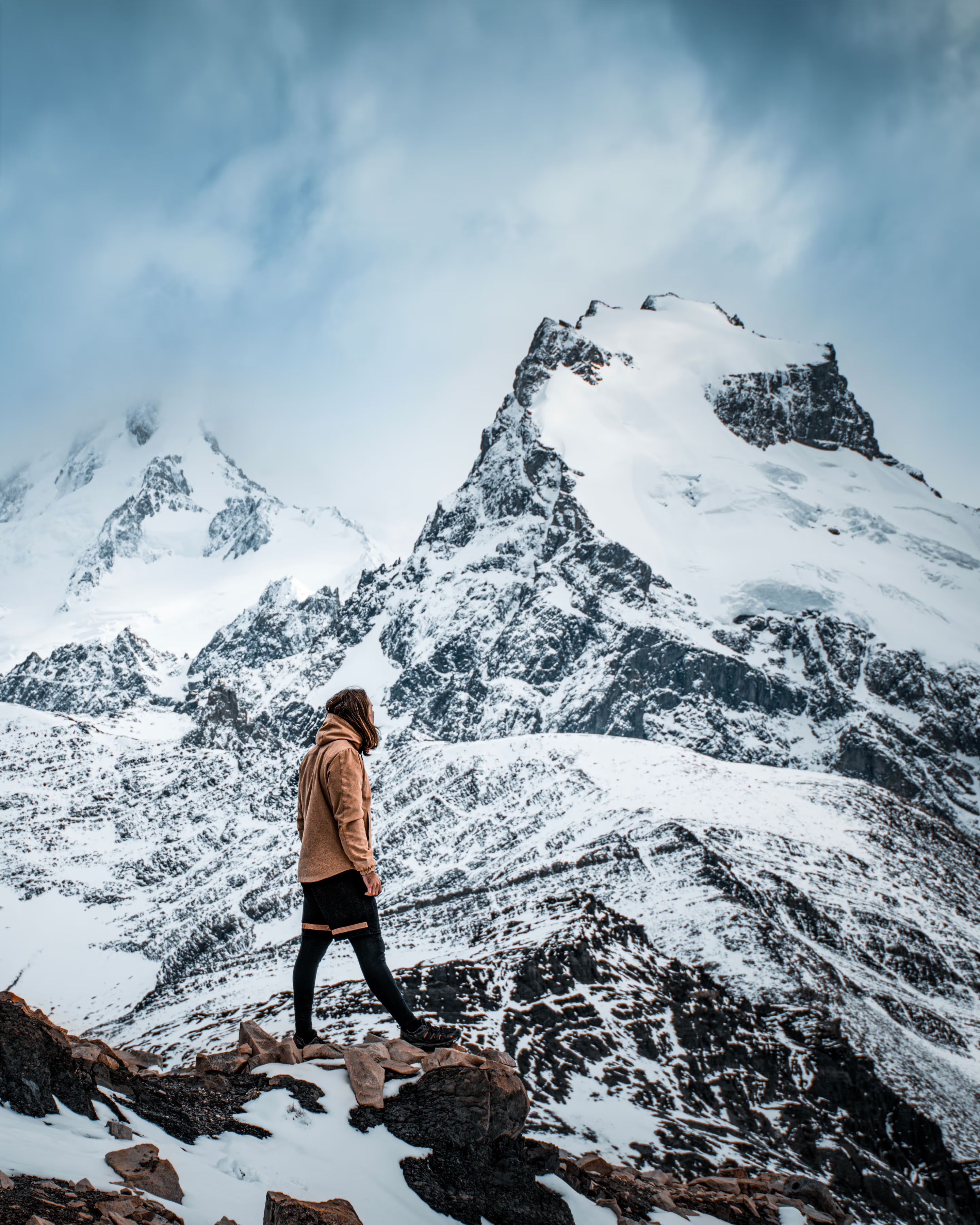
A hiker among snowy mountain scenery near El Chaltén.A hiker among snowy mountain scenery near El Chaltén.

Carry what the journey needs

Pack for the real days.

A Buenos Aires evening, an Iguazú downpour and a windy Patagonian walk need different things. Build a useful bag around your route, with layers that earn their place.

Build a useful packing list
Start with
Route and activities
Choose
Adaptable layers
Keep close
Daily essentials

Packing for Argentina

One bag. Different weather.

Packing becomes easier once the itinerary has a shape. List the places where you will sleep, the most demanding activity you have actually booked and the transport that limits your luggage. A city-and-wine trip needs a different bag from a glacier visit followed by several days in the subtropical Northeast. Begin with a small set of clothes that work together, then add the items that answer a real condition: wind, rain, sun, a cold evening or a particular excursion. Leave room for laundry and repeated outfits. The aim is a bag you can move comfortably between the places you have chosen, with the right things easy to reach when you arrive.

  1. 01
    Pack the actual itinerary

    Separate booked activities from possibilities. A technical item belongs in the bag when the planned activity requires it, not simply because the destination has mountains.

  2. 02
    Use the strictest leg

    Check the baggage allowance for every flight and service. The long-haul ticket does not establish what a separately booked domestic fare includes.

  3. 03
    Keep a day bag ready

    Carry documents, essential medicines, charging needs and a useful layer with you. The things that make the next few hours work should not depend on opening the main suitcase.

A backpacker descending a mountain path near El Chaltén.A backpacker descending a mountain path near El Chaltén.

01 / Patagonia

Let the layers work.

For Patagonian outdoor days, think in layers you can adjust while moving. A comfortable base, an insulating layer and a weatherproof shell do different jobs; a single heavy coat is less adaptable when the effort of walking changes. Los Glaciares recommends warm, waterproof clothing and suitable footwear, including attention to grip on its metal walkways. Put the shell and an extra warm layer where you can reach them quickly. Test the combination before leaving home: can you move comfortably, close the jacket over the layers and use the pockets with cold hands? A system you understand is more useful than an impressive collection of unfamiliar equipment. If a glacier viewpoint follows a city stay, organise a small outdoor set inside the main bag before the transfer. You should be able to find the warmer layer, shell and suitable socks without repacking everything in the hotel corridor before an early pickup.

  1. 01
    Choose footwear for the day

    Use comfortable, worn-in footwear with grip suited to the route. A town walk, wet viewing platform and rocky mountain trail are different demands; choose after deciding the activity.

  2. 02
    Keep the stop warm

    The moment you stop walking can feel very different from the climb. Carry a layer for a viewpoint, lunch break or delayed pickup rather than packing only for continuous movement.

  3. 03
    Protect what must stay dry

    Keep spare clothing, documents and electronics in suitable protective storage. A rain cover and a waterproof shell have different jobs, and neither makes every pocket waterproof.

Plan southern Patagonia
A rainbow over the falls and forest at Puerto Iguazú.A rainbow over the falls and forest at Puerto Iguazú.

02 / The subtropics

Rain without the weight.

Iguazú calls for a different balance: clothing that is comfortable in humid weather, practical rain protection and a plan for wet belongings after the outing. Do not fill the day bag with cold-weather layers simply because they were useful in Patagonia the week before. Choose footwear you can walk in for an extended visit and consider how it will dry before the next travel day. A light change of clothes can be more useful than another bulky item. If you book a boat activity, follow its particular advice for getting wet and protecting belongings rather than assuming the park walk and the river excursion need the same arrangement. When the Northeast comes at the end of a longer trip, put the items needed for humid weather near the top before you travel there. Keep the Patagonia set together until it is needed again. Organising by the next destination reduces the daily search through the bag.

  1. 01
    Keep the hands useful

    Choose a way to carry the day’s essentials that leaves you comfortable on walkways and in queues. Do not make the phone or camera difficult to secure when rain arrives.

  2. 02
    Separate wet and dry

    Have a place for damp clothing that does not soak the rest of the bag. Dry items properly at the accommodation rather than leaving them sealed away between stops.

  3. 03
    Pack for the return too

    Think about the journey back to town and any immediate onward travel. Dry clothing and accessible essentials matter more when there is no hotel stop between the outing and departure.

Prepare for Puerto Iguazú
A helmeted mountaineer on snowy terrain near Bariloche.A helmeted mountaineer on snowy terrain near Bariloche.

03 / Specialist outings

Ask before adding gear.

A guided glacier activity, climbing day or winter excursion can require equipment that has no role in the rest of the trip. Before buying or carrying it, ask the operator exactly what is supplied, what you must bring and what footwear or clothing works with its equipment. Confirm sizes and fit where they matter. A dramatic mountain photograph is not a packing specification for an ordinary day walk, and owning equipment does not establish the skills or permission to use it independently. Keep specialist preparation tied to the booked activity, with enough time to solve an unsuitable item before reaching the departure point. If the operator supplies a helmet and other technical items, ask what you need for the journey to the activity as well as the activity itself. A transfer, preparation area and return can involve different clothing needs from the short period when the specialist equipment is in use.

  1. 01
    Request a specific list

    Ask the operator for the current requirements for your exact outing. A general destination packing article cannot decide whether a boot works with the equipment being provided.

  2. 02
    Test the essentials

    Try the footwear, outer layers and day bag together before travel. Resolve discomfort and access problems at home rather than at a trailhead with the group waiting.

  3. 03
    Keep the rest simple

    Do not let one technical day dictate every other day’s wardrobe. If suitable equipment is supplied or can be arranged responsibly at the destination, confirm that arrangement in advance.

Explore winter in the Andes

Build the bag

A practical starting list.

Adjust this list to your route, the season and your own requirements. Pack it once before departure and check that you can comfortably carry, lift and find what you need.

01

With you

Keep the essentials in reach

Argentina’s airport security authority recommends carrying medicines, prescriptions, important documents and electronics in hand luggage. Keep the next day’s necessities accessible if the checked bag is delayed, while following the airline’s security and baggage conditions.

  • Passport, permissions, tickets and accommodation address.
  • Essential medicines with labels and supporting prescriptions.
  • Phone, charging equipment and an offline arrival plan.
  • A change of essential clothing and a useful outer layer.
  • Argentina uses 220 V / 50 Hz and mainly Type I plugs; Type C sockets also occur. Bring a suitable adapter and check the device’s input rating—a plug adapter does not convert voltage.
02

Clothing

Choose a small working set

Build around clothes you can combine and wear repeatedly. Add warmth or rain protection according to the places and dates, then plan a laundry opportunity before the bag becomes a collection of one-use outfits.

  • Comfortable daytime clothes that work together.
  • A suitable warm layer and weatherproof outer layer.
  • Underwear and socks for the laundry interval.
  • A simple evening option appropriate to your own plans.
03

Outdoor days

Pack for the whole outing

Let the route and operator instructions decide the day bag. Carry enough food and drinking water for the outing and do not assume natural water sources are suitable to drink untreated. Keep the return and a possible delay in the plan.

  • Suitable footwear, sun protection and a hat.
  • Food, drinking water and any required treatment system.
  • An extra layer and rain protection.
  • Route information and the park’s required registration.
04

Personal care

Make it specific to you

Bring the products and supplies you rely on, particularly if replacing them quickly would be difficult. Discuss travel medicines and storage with a qualified professional. Choose sun and insect protection suited to the itinerary using current health advice.

  • Regular medicines and essential personal-care supplies.
  • Prescription details and any necessary medical information.
  • Sun protection and itinerary-appropriate insect protection.
  • Spare glasses or other important personal equipment if needed.
05

Transport

Test the bag against the tickets

Read the allowance on each booking for weight, dimensions and the number of pieces; for Aerolíneas Argentinas, use its baggage conditions. Confirm any special equipment arrangements with the operating airline. Avoid packing right to an assumed limit before the actual fare conditions are clear.

  • Check cabin and checked allowances separately.
  • Confirm how specialist or mobility equipment is handled.
  • Label bags and keep identification inside as well.
  • Leave the items needed during transfers easy to reach.
06

Before leaving

Remove what has no job

Lay out the contents and name the day each unusual item serves. Keep genuinely useful contingencies, but question duplicate footwear, bulky extras and equipment for activities you have not chosen. A manageable bag makes small accommodation moves and vehicle changes easier.

  • Try carrying and lifting the packed bag.
  • Check that liquids and fragile items are contained.
  • Leave space for a purchase you actually want to bring home.
  • Photograph the packed essentials for your own reference.

Useful visitor information

Before you book.

Use these official sources for the current detail behind the journey. Conditions and available services can change after you make the first plan.

Last editorial review: 20 October 2026

A mate held close beside a lake in Chubut Province.A mate held close beside a lake in Chubut Province.

Leave room for ordinary pleasures

Carry less. Settle in.

A well-packed bag makes room for the things that do not belong on a checklist: a lakeside pause, a shared mate, an unhurried morning before moving on. Bring what supports the journey and let the places provide the rest of the interest.

Explore the Lake District

From the journal

Latest Stories

Thoughtful comparisons for the decisions that shape a journey long before the first reservation.