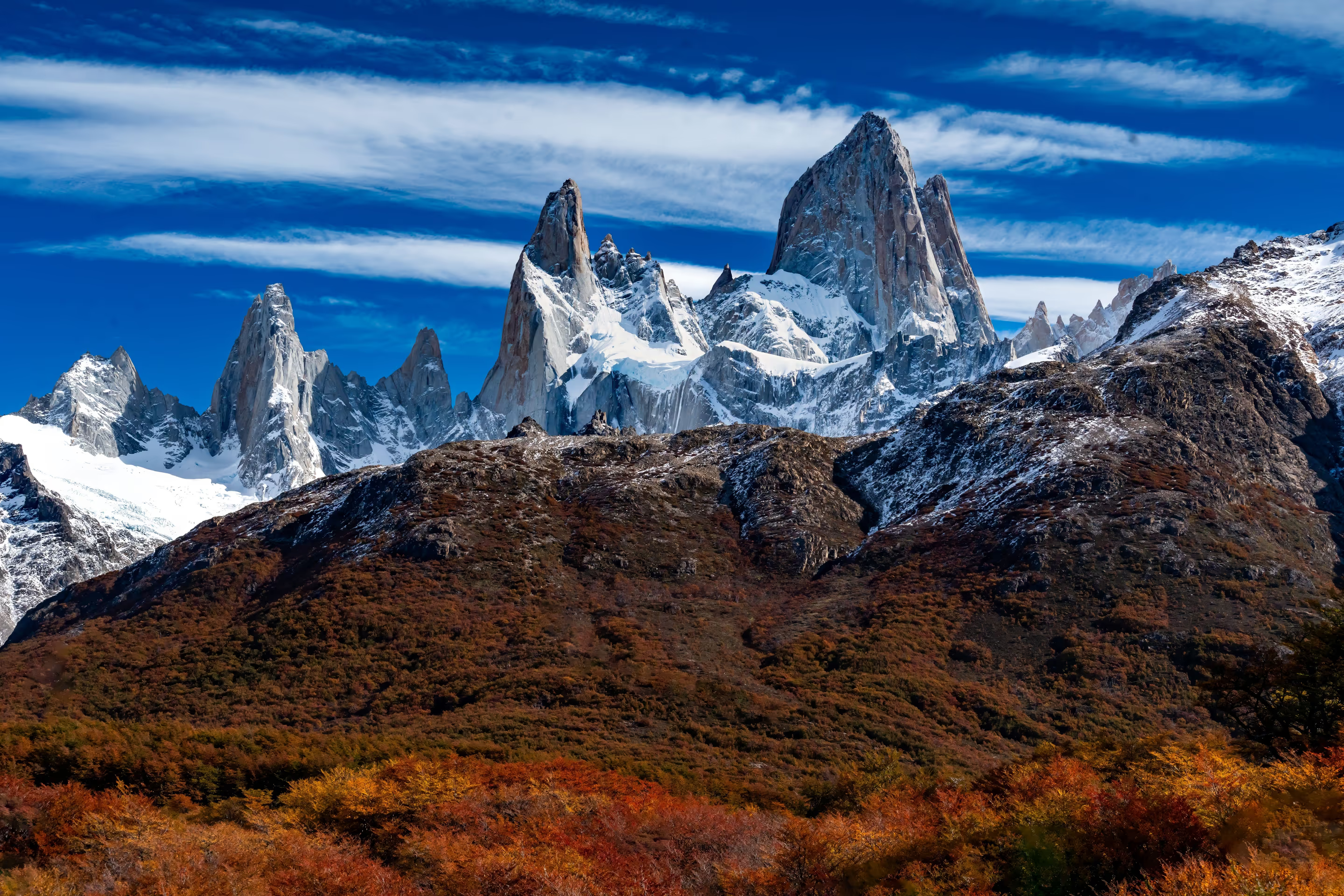
Argentina extends from subtropical forest to the far south, with the Andes adding another layer of variation. The same month can bring hot, humid days at Iguazú, cold evenings in a high Northwest valley and long, windy walking days in Patagonia. Begin with the part of the trip that is least flexible. If a southern mountain walk is the priority, build around its conditions and access; if whales are the reason for travelling, use the coastal wildlife season. City stays and many cultural visits offer more room to adapt. The seasonal guidance here describes typical patterns, not a forecast or a guarantee that a road, trail or excursion will be open.
01
Separate climate from operating season
A place can be pleasant to visit while a particular activity is unavailable. Ask about the actual trail, sailing or mountain access that interests you. A destination's year-round appeal should not be confused with a promise that every summer excursion runs in winter.
02
Compare the regions on your own route
Choose the best overlap for two regions rather than chasing an ideal month for the whole country. If the overlap creates too many compromises, save one region for another trip. Buenos Aires can often provide the flexible chapter around a more seasonal journey.
03
Check the calendar as well as the weather
Local school holidays, long weekends, harvest celebrations and major events can change availability. Look at dates for the year of travel and reserve the most constrained stay first. A shoulder-season label does not automatically mean empty trails, low prices or unrestricted access. Use the official national holiday calendar and our holidays and long-weekends guide to distinguish nationwide holidays from regional dates and tourism non-working days. Checked 20 October 2026: Decree 1103/2026 sets 9 November as a national holiday, 10 November in Córdoba Province and Buenos Aires city only, and 11 November in Buenos Aires Province only. Match the relevant place and date to your journey before booking.
Bariloche · Snow, mountain water and shifting mist
Patagonia · Mountains and southern light
Long days change what a trip can hold.
Late spring through early autumn is the usual starting point for a trip centred on southern walking, with the broadest choice of long days in summer. That does not remove wind, rain, cold or the possibility of snow. Around El Chaltén, conditions on a high or exposed trail can differ sharply from those in town. The Lake District offers another rhythm, combining forest, water and mountain outings, while Ushuaia's southern setting deserves its own plan. Autumn can bring striking foliage and a quieter feeling, but shortening days and changing services matter. Winter is a different kind of journey, suited to snow activities and selected local outings rather than an unchanged version of a summer hiking itinerary.
01
Keep the trail more specific than the month
Choose a walking route by its current conditions, exposure and effort. Los Glaciares National Park requires registration for its northern trails from May to September, as well as for remote mountain activities. Check the park's instructions before the visit, even if a town-based forecast looks encouraging.
02
Treat ski travel as its own holiday
Snow cover, lift operation and road access determine the useful dates for a winter trip. Reserve around the activity and the operating information from the mountain, not only the calendar season. A base with enjoyable town days gives the holiday more flexibility.
For a road journey around Salta, Cachi and Cafayate, the cooler and generally drier part of the year is often an attractive starting point. Summer rain can affect the Cuesta del Obispo, valley gravel and side roads even where the surrounding hills look dry. In Jujuy, altitude adds another consideration: a sunny afternoon and a cold night can belong to the same day. Mendoza offers wine visits across the year, with green vines and harvest activity bringing a particular appeal from summer into early autumn. Its mountain corridor follows a different calendar from the city and vineyards. Plan a high-country excursion separately and be prepared for its access to change with weather.
01
Choose what you want from wine country
Leafy vineyards, harvest activity, autumn colour and winter cellar visits offer different experiences. A winery appointment is about more than the view, so ask what the visit includes on your dates. Harvest celebrations can also make accommodation and popular reservations more competitive.
02
Leave the road plan adaptable
A generally dry month is useful context, not a road report. Confirm the specific stage close to departure, especially for gravel or high passes. Allow a quieter village day or a shorter route when the conditions do not suit the original circuit.
Buenos Aires · Jacaranda blossom above historic architecture
Cities and the Northeast · A wider window
Choose the weather you enjoy walking in.
Buenos Aires often feels particularly inviting in spring and autumn, when walking neighbourhoods and lingering outdoors can be easier than in the heat of midsummer. Jacaranda blossom is one of the pleasures of late spring, with timing that varies from year to year. Winter still supports a full city visit through museums, cafés, architecture and evening culture. Iguazú has a subtropical, humid climate and can be visited throughout the year. December to March is typically the hottest period; cooler months may make walking more comfortable, but rain and changing river conditions remain possible. Waterfall flow is not something a month can guarantee, and a forecast matters more than a promise of an ideal photograph.
01
Keep an indoor city day ready
A museum, a historic café or a performance can become the centre of a rainy or very hot day. Arrange neighbourhood walks for the more comfortable hours and avoid booking every attraction in advance. The city's range makes it easier to adapt without losing a day.
02
Give Iguazú a flexible visit plan
Choose comfortable footwear and expect spray as well as possible rain. Check the park's current circuits before setting out. When the visit is a major priority, more than a single tightly scheduled day provides room to enjoy the forest and respond to local conditions.
These are planning windows and tradeoffs to discuss with the relevant park or provider. Exact weather, wildlife sightings, blossoms and service dates remain variable.
01
December to February
Start with the southern outdoors.
Summer is a natural first choice for a journey focused on Patagonia's walking and lake country, with long daylight hours and a broad range of activities. Popular towns can be busy. In Buenos Aires and the Northeast, plan for heat and humidity; in the Northwest, pay attention to rain and road conditions.
Book the most important southern stays once the route is settled.
Keep a warm, weatherproof layer even on a summer Patagonia trip.
02
March to May
Compare colour with shorter days.
Autumn can suit city walks, wine-country travel and a more reflective pace in several regions. Early autumn in Patagonia is a different proposition from late autumn, when daylight and operating options narrow. Choose the date within the season, rather than treating all three months as interchangeable.
Ask about the last operating dates for the specific activity.
Leave time for vineyard or town visits as well as mountain scenery.
03
June to August
Choose a winter-shaped route.
Winter can suit a Northwest cultural and road journey, an urban stay or a dedicated snow holiday. High places still bring cold and possible access issues. A winter Patagonia visit should be planned around the activities actually offered, with shorter daylight and more conservative driving stages.
Check snow conditions and lift operation for a ski trip.
Keep city, food and cultural options in a weather-sensitive stay.
04
September to November
Use the transition thoughtfully.
Spring opens different possibilities at different speeds. Buenos Aires becomes increasingly suited to outdoor days, while some southern mountain routes may retain winter conditions. A trip mixing the capital with coastal wildlife can have a different seasonal fit from one focused on high trails near El Chaltén.
Do not assume an early spring date means summer trail access.
Check the specific wildlife site and excursion format before booking.
05
Atlantic wildlife
Follow the animals' calendar.
Puerto Madryn's official guidance places the whale-watching boat season broadly from mid-June into December, while shore viewing around El Doradillo has its own window. Penguin colonies commonly welcome visits through spring and summer into autumn, with dates varying by colony. Choose the place and type of visit first.
Use the dedicated whale and penguin guides for regional distinctions.
No month or excursion can guarantee a particular wildlife encounter.
06
The final check
Use the forecast to shape the day.
Once the month and route are chosen, switch from climate averages to local information. A mountain forecast, park notice or road update can change which day suits an outing. Keep the most flexible bookings around the most exposed activity and give your host a clear idea of what you hope to do.
Check current park and road information close to departure.
Reorder days when useful instead of adding distance to chase a forecast.
Useful visitor information
Before you book.
Use these official sources for the current detail behind the journey. Conditions and available services can change after you make the first plan.
Let the main experience set the date, then build a route that works with it. A well-chosen season makes room for the journey; a flexible plan helps you enjoy what the day brings.