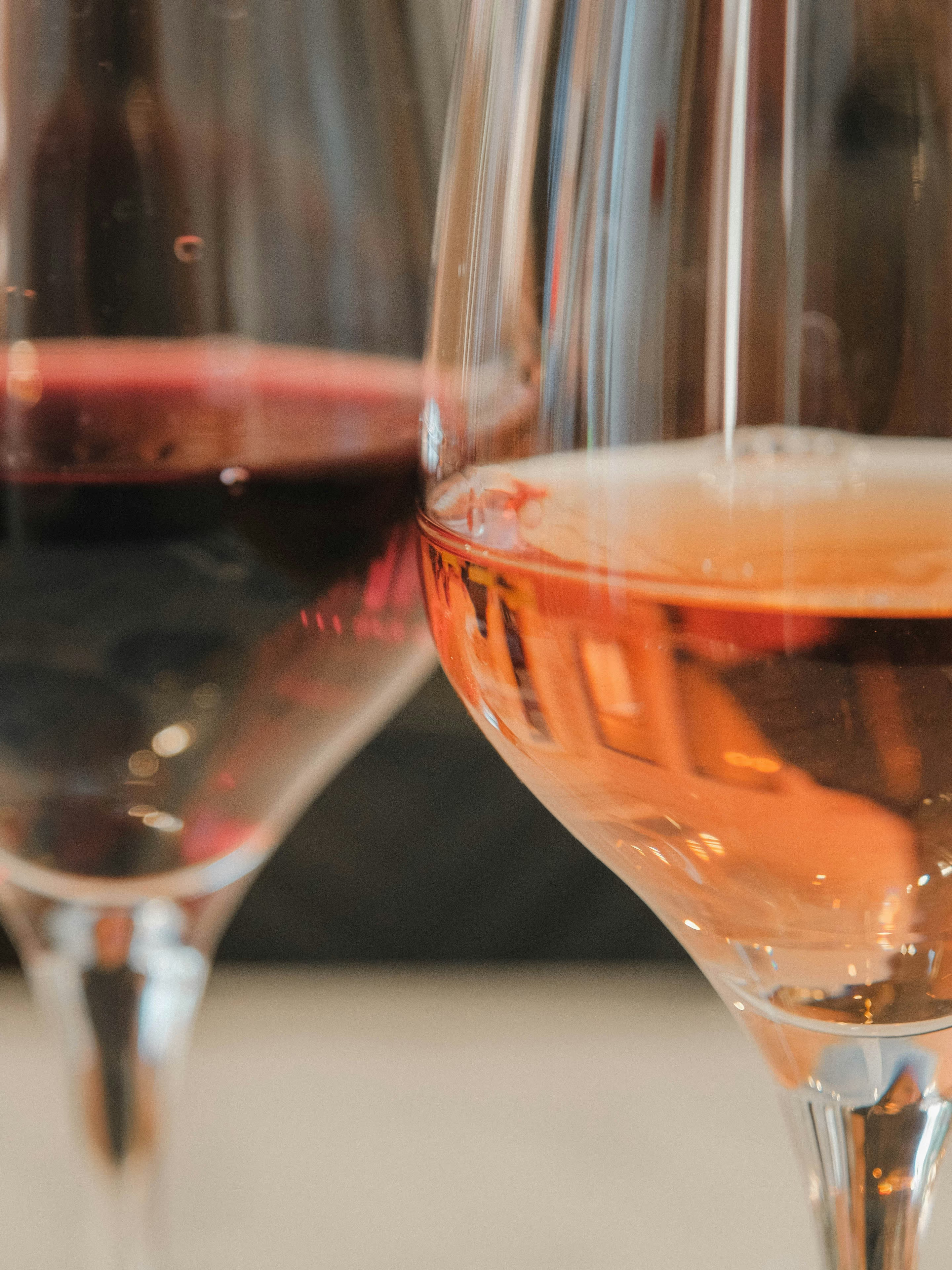
Old cellars, mountain-facing vineyards and a long lunch between tastings. Build the day around a wine district, then leave time to understand what makes it different.
Mendoza's wine country spreads across several distinct areas. Luján de Cuyo and Maipú offer different ways into the established wine landscape near the city, while the Uco Valley calls for a more deliberate journey towards Tupungato, Tunuyán and San Carlos. The best day is usually built around one of these areas, with a small number of well-chosen appointments. Start with the experience you want: an introduction to Malbec, a cellar visit, a comparison of places or a meal with wine at the centre. Then group the stops geographically. A beautiful winery becomes less enjoyable when the next reservation is already pulling you towards the car.
01
Choose a district before choosing three names
Look at the actual winery locations, not only the regional label. Luján de Cuyo includes places such as Chacras de Coria, Vistalba, Perdriel and Agrelo, with meaningful travel between them. The Uco Valley covers a wider area again. A clear geographical grouping makes the day feel settled.
02
Decide what you want to learn
One visit can explain vineyard and cellar work; another might focus on comparing wines at the table. If every booking repeats the same introductory tour, the day can become less varied than expected. Read the experience descriptions and choose a combination with different emphases.
03
Let lunch be an anchor
A winery meal can be the main event rather than something squeezed between tastings. Book it first when food matters most, then add a nearby visit that complements it. Two substantial appointments and a relaxed meal often offer more than a long list of short stops.
Perdriel · Vineyards beneath the Andes at Bodega Norton
Luján, Maipú and Uco · Three different days
Follow one part of the map.
Luján de Cuyo is a useful starting point for a first Mendoza wine day, with established estates, cellar visits and rural stays within a broad area south of the city. Maipú offers its own combination of wine heritage, working bodegas and food traditions, including olive-growing. The Uco Valley changes the scale: open vineyard landscapes, mountain views and a spread of destinations across three departments. None is simply the better version of another. Choose Luján or Maipú for the particular estates and day you want, and give Uco the time its distances deserve. A longer stay can compare the regions on separate days, with an evening in Mendoza between them.
01
Use the address to test the itinerary
Before confirming a sequence, map each winery and the lunch stop. Two places described as being in Mendoza may be far apart; even two in the same wine region can require a substantial drive. Add time for leaving one appointment and arriving comfortably at the next.
02
Consider staying among the vines
A rural night can make sense when the accommodation, meal and surrounding district are part of the experience. Check how you will reach dinner and leave the following day. A secluded setting is appealing when its transport needs are planned, rather than discovered after arrival.
Malbec is a natural entry point, but a tasting becomes more interesting when it reveals differences within a producer's range. Ask where the grapes were grown, what the winemaker wants to express and how the wines in front of you were made. A comparison of vineyard sites, vintages or ageing choices can be more useful than automatically choosing the largest tasting. You do not need technical vocabulary to take part. Describing what you notice in your own words creates a better conversation than searching for a correct answer. Keep a simple note of the wines and places you enjoyed so that the bottles do not blur together by the end of the day.
01
Choose the format that suits your curiosity
An introductory flight, a cellar tour and a more focused tasting are different experiences. Check the language, expected duration and what is included before booking. A small producer can offer an absorbing visit, just as a larger estate can provide useful context; size alone does not determine quality.
02
Use the tasting to discover a preference
Compare wines slowly, drink water and use the spittoon when useful. There is no need to finish every pour or buy a bottle to demonstrate appreciation. If something interests you, ask why it tastes different from the previous wine and whether a similar style appears elsewhere in the region.
Los Toneles, Mendoza · The architecture of winemaking
Inside a working winery · From vineyard to table
Make room for the craft behind it.
A cellar visit adds a physical setting to what you taste: tanks, barrels, storage rooms and the decisions that connect a harvest to a finished wine. Some visits emphasize the production process, others the architecture, history or hospitality of the estate. Choose the one that interests you, and remember that a working winery may adapt visitor access around its own activity. A long lunch then brings the wines into a different conversation with food. Ask whether the meal is a fixed pairing, an à la carte service or a separate restaurant booking. The details matter if companions have different appetites, dietary needs or levels of interest in wine.
01
Ask what is actually visited
The word 'tour' can describe anything from a short explanation beside the tasting room to a fuller walk through the property. Confirm whether the vineyard or cellar is included and whether there are steps or uneven surfaces. Choose the content you want instead of assuming every estate visit follows the same route.
02
Give the meal its own pace
A multi-course pairing can occupy much of an afternoon. Keep the next appointment light or leave it out, especially if the restaurant is the day's main attraction. Ask about non-wine options and dietary requirements when booking so that the whole group can enjoy the table.
A few practical choices make the difference between a relaxed wine visit and a day spent chasing appointments.
01
Booking order
Start with the fixed point.
Book the winery, tasting or lunch you most want, then build nearby options around it. Use the official Mendoza winery directory to identify estates in the district you have chosen, then confirm the individual visit and meal directly. Confirm the date, language, group size and exact experience in writing. Some wineries offer several different visits under similar names, and restaurant access may be booked separately. A reservation at one does not automatically cover the other. Keep the day's confirmations together so you can check meeting points and inclusions easily.
Confirm cancellation terms before committing.
Allow a buffer between appointments.
02
Transport
Arrange the whole route first.
A driver, guided excursion or suitable wine-tour service can make a multi-stop day straightforward. Confirm the actual wineries, pickup area and return arrangements; a transport product may not include tasting reservations. If travelling with a designated driver, plan that role before the day. Cycling is a specific route choice that needs suitable roads, distances and sober riding, rather than a universal solution for every winery district.
Do not plan to drive between tastings.
Check whether visits and entry charges are included in a tour.
03
City or countryside
Choose the evenings as well as the vines.
Mendoza city offers a broad range of restaurants and an easy change of atmosphere after winery days. A rural stay in Luján or Uco can make the landscape and a particular property the focus. Compare access to meals, transfers and the next day's route. For a short visit, one well-chosen base may work better than moving accommodation simply to be closer to a single reservation.
Use the district guides to compare bases.
Include transport to dinner in a rural plan.
04
How many visits
Prefer a useful contrast.
For a first day, consider two substantial wine experiences with room for lunch, or one longer estate visit and meal. Add another stop only if the distances and formats fit comfortably. A tasting-heavy schedule can make it harder to remember what distinguishes the wines. Over several days, vary the region, producer scale or style of visit rather than repeating the same introductory sequence.
Keep notes on the wines you want to remember.
Leave an unbooked interval for a view or conversation.
05
Season and setting
Expect the vineyard to change.
The appearance of the vines changes through the year, and harvest activity can affect the working rhythm of an estate. Choose dates for the wider trip and the visits available, rather than assuming every season will look like a green summer photograph. Bring sun protection and a layer for cellar spaces or a cool evening. Confirm outdoor components if the vineyard walk or terrace is important to you. Around early March, Vendimia can be a reason to stay longer: city parades and the main staged celebration are separate from an ordinary winery visit. Check the official festival programme for your year before fixing dates, and reserve the chosen estate visits and transport around it.
Ask about the actual experience offered on your date.
Treat seasonal events as separate, date-specific bookings.
06
Buying wine
Choose bottles you will enjoy remembering.
If you want to take wine home, ask about packing and the practical options for your onward journey. Check airline, customs or shipping arrangements directly for your own route before making a large purchase. A bottle from a visit you enjoyed can be a satisfying reminder; the most expensive label is not automatically the most meaningful choice. Keep any purchase separate from the pace of the tasting itself.
Ask whether the same wine is available in your home market.
Leave enough room in the travel plan to carry purchases sensibly.
Useful visitor information
Plan with the latest local details.
Official information for the places and experiences in this guide.
Choose a district, a few thoughtful visits and enough time at the table. The wine becomes more memorable when you can place it back among the people, cellars and landscape that helped you understand it.