Tolhuin gives Tierra del Fuego a different pace from Ushuaia. Near the eastern head of Lago Fagnano, it sits between the mountainous south and the more open northern island. The lake runs far beyond what a single shoreline view can contain, and nearby reserves add forest, peatland and shorter walks. A return outing from Ushuaia can introduce the road and the lakes. An overnight makes the visit less dependent on the moment a tour vehicle stops: you can see the water later in the day, spend time in town and choose a walk without an immediate journey back. Come for that quieter combination, rather than expect another resort city.
01
One day gives the outline
The mountain road, a view of Lago Escondido and a stop at Fagnano can form a satisfying introduction. Choose a few stops you want to enjoy. A drive that also tries to cover every nearby reserve can become mostly time in the vehicle.
02
A night gives the lake more time
Staying near Tolhuin makes a shoreline walk and a separate forest outing easier to combine. Two nights suit travellers who want a slower base, photography in changing light or more room to choose around the weather.
03
The names hold different histories
The provincial visitor information uses Khami, meaning 'big water', for the lake's Selk'nam name. Fagnano is its later name. Looking for Indigenous interpretation adds another dimension to a landscape too often reduced to the road journey through it.
Tolhuin · Lago Fagnano and the distant mountains
Lago Fagnano and its eastern shore
Make room for the larger view.
Lago Fagnano is the defining presence here: a long east–west basin bordered by mountain and forest, with Tolhuin near its eastern end. Take the lake Fagnano headland walk along the shore and the scale becomes clearer than it does from a passing vehicle. Wind can turn the water from a reflective surface into an active, wave-marked edge, changing the character of the same view within a visit. Bring a picnic for a suitable sheltered place or simply leave room to sit. The lake also has an unusual geological story, associated with the Fagnano–Magallanes fault system. Local interpretation can add that deeper timescale to an apparently still landscape.
01
Choose a shoreline stay deliberately
An address near the water may give you a more absorbing setting but add distance from the town's services. Compare the actual access to the shore, dining arrangements and transport before selecting a cabin simply for the view.
02
The water deserves its own plan
A lakeside walk does not imply easy boating conditions. If paddling or another activity on the water is central to the visit, arrange it with an appropriate local provider for the conditions. An exposed shore can feel quite different from a sheltered photograph.
Lago Escondido · The mountain approach from Ushuaia
Paso Garibaldi and Lago Escondido
The approach is part of the journey.
The road north from Ushuaia crosses the mountains before reaching Tolhuin. Around Paso Garibaldi, Lago Escondido gives the journey one of its characteristic views: forested slopes enclosing a smaller mountain lake. It is distinct from Fagnano, not another name for the same water. Choose legal stopping places where you can enjoy the setting without treating the road itself as a viewpoint. A guided day can be useful if you want interpretation and someone else managing the drive. With your own vehicle, allow time for the stops and the conditions rather than use an optimistic driving estimate as the measure of the day.
01
Winter changes the journey
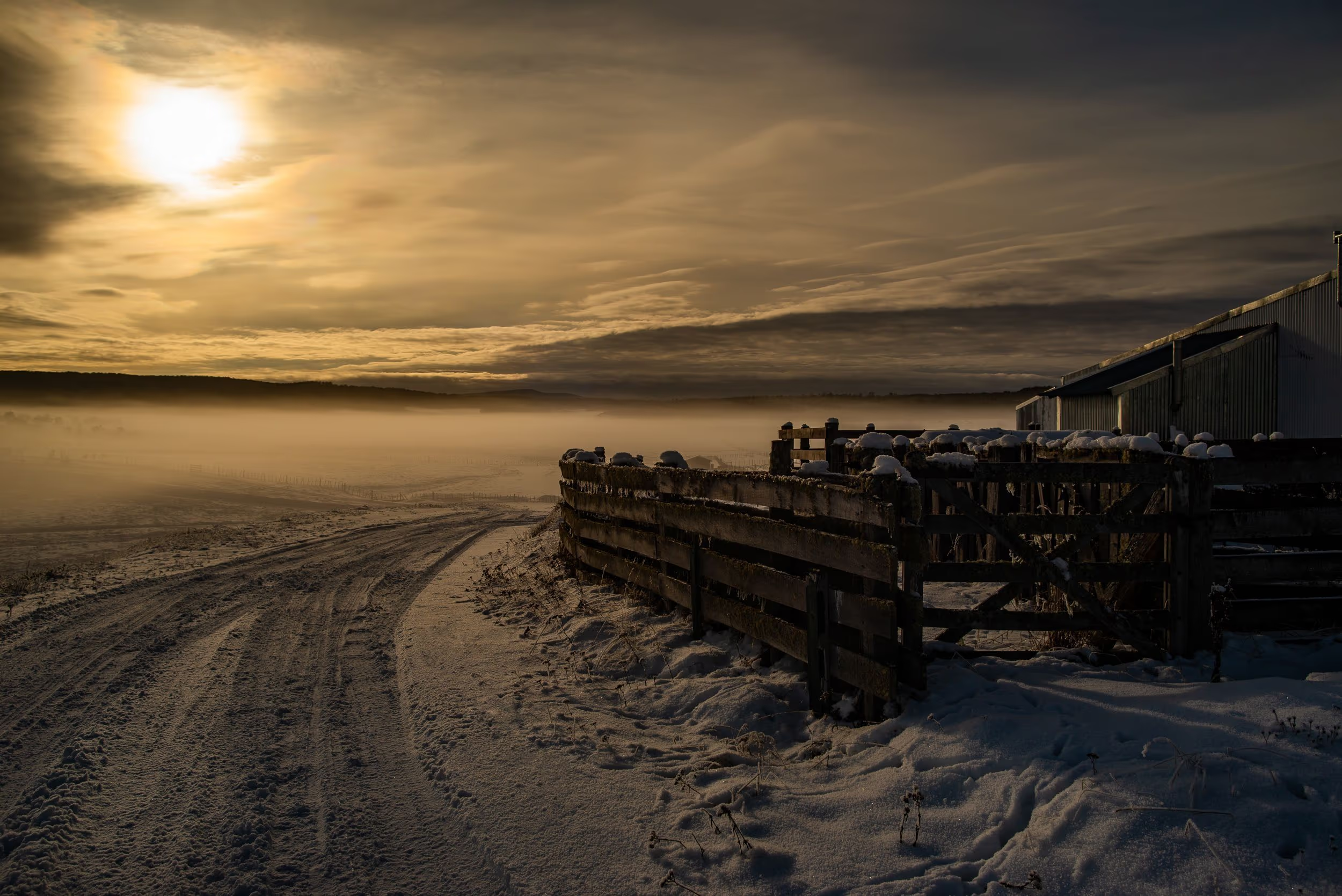
Snow on the surrounding forest can make the approach especially atmospheric, while ice and shorter daylight change its practical demands. Current road conditions and a vehicle suited to them matter more than how straightforward the route looks on a map.
02
Separate the lake visit from the longer crossing
Tolhuin can be part of a broader island journey towards Río Grande. Reaching mainland Argentina overland is a larger travel leg involving Chile and the Strait of Magellan ferry. Give that connection its own current planning rather than add it casually after a lake morning.
Tolhuin is a useful base for getting beyond a single lake viewpoint. The signed interpretive route Paisaje en Movimiento at Laguna Negra introduces the area's lenga forest and peatland. The provincial guide describes this self-guided walk as about 2.3 kilometres in total, taking roughly one hour at a moderate pace; that description does not establish adapted access throughout the reserve. The lagoon's dark appearance comes from the peat-rich setting, and the landscape offers a different kind of attention from a grand mountain panorama. Farther afield, the Río Valdez reserve and the Cerro Jeujepén viewpoint provide other options when access and conditions suit. Choose one reserve at a time, and let the town's quieter scale become part of the stay rather than merely the place where you refuel.
01
Understand where the walk begins
A short trail length does not include the journey to its access point. Ask locally about the current entrance and route surface, especially after wet or wintry weather. This is particularly useful when relying on transfers rather than a car.
02
Look for living forest and cultural context
Lenga trees, smaller birds and the changing colours of the season reward close attention. Jeujepén also carries significance in Selk'nam history. Good local interpretation connects those layers instead of presenting the reserves as a collection of interchangeable scenic stops.
The useful choice is whether you want a brief introduction from Ushuaia or enough time to make the lakes and reserves a destination of their own.
01
Duration
Use a night to slow the journey.
One night can combine the approach, shoreline time and a shorter outing the next day. Two nights make sense for a more relaxed stay or additional walks. A day trip still works well when the itinerary remains selective and the return does not dominate the afternoon.
Keep one main outdoor interest per day.
Allow time for the road's stopping places.
02
Location
Town convenience and a lake view differ.
A central stay makes local food and services easier to reach. Accommodation closer to Fagnano can offer a quieter setting, but check how meals and transfers work. The distance between a room and the places you want to visit matters in a smaller destination.
Confirm the location on the local road network.
Ask about evening dining before choosing a remote stay.
03
Season
Choose light, colour or snow.
Summer provides more daylight for shore and forest outings. Autumn can bring colour to the lenga landscape, while winter changes it through snow and lower light. The reward and the access requirements change together; choose activities that fit the actual dates.
Ask which reserve routes are currently open.
Leave room to adjust around wind and road conditions.
04
Getting around
Do not assume a continuous shuttle.
A car or a deliberately arranged excursion offers the simplest way to connect the road, the lake and separate reserve access points. Travelling by public transport requires attention to where you arrive and how you reach the outing itself. A bus connection alone is not a trail transfer.
Arrange the return from quieter access points.
Use current local transport information.
05
Walking
Begin with one well-chosen reserve.
Laguna Negra suits an introduction to the forest and lagoon setting. Jeujepén provides a different view when its access road is suitable. Carry what you need for the outing and stay on established routes, particularly near wet ground and peatland.
Read trail length as walking distance, not total travel.
Avoid turning a short visit into a rushed reserve circuit.
06
Next stop
Continue according to your interests.
Return to Ushuaia for the channel, museums and national park, or continue north for a different island landscape around Río Grande. Neither direction requires making Tolhuin a hurried stop. The inland stay is most useful when it has a clear place in the whole trip.
Separate longer travel days from ambitious walks.
Keep the island's distances in the route plan.
Useful visitor information
Plan with the latest local details.
Official and specialist information for the places in this guide.
A lake shore and a forest path do not need a crowded programme to fill a rewarding day. Give Tolhuin an evening as well as a passing visit, then carry that slower pace into the next part of the island.