Follow the water to the table
Argentina beyond steak: river fish and seafood
Explore Argentina's river fish, Lake District trout and southern seafood, with practical ways to choose a meal and understand what the menu promises.
River country, mountain lakes and the southern sea have different food stories. Give each one a place at the table.
Argentina's food map becomes much larger when you follow the water. In the Northeast, a menu may offer pacú or surubí. In the Lake District, trout and smoked fish introduce another set of flavours. On the Atlantic coast, seafood can give a day its centre. Farther south, centolla brings the Beagle Channel to the table.
These meals are more than alternatives for somebody who has eaten enough steak. They belong to distinct landscapes and ways of cooking. River fish, lake-country preparations and marine shellfish should not be collected under one vague promise of “fresh local seafood”.
The rewarding approach is to understand a little about each setting, then ask a few precise questions about the dish in front of you. What fish is it? How is it prepared? Where does the kitchen obtain it? The answers help you choose a better meal without needing to become a fisheries expert before lunch.
Four waters, four different expectations
A riverbank, a mountain lake and a seafront can all make beautiful restaurant settings. They do not tell the same story about the food. Nor does a view prove that the ingredient came from the water outside the window.
Separate the setting from the supply. A restaurant may serve a regional speciality using responsibly sourced fish from elsewhere. Another may have a close relationship with a local producer or fisher. Both can be worth visiting when the description is clear.
River country
The Litoral's food traditions include freshwater species such as pacú and surubí, prepared in several ways. The relationship between rivers and cooking is a reason to pay attention to lunch as well as to boat trips and scenery.
A regional name on a menu can begin that conversation. It should not end it. Ask what is available, how the fish is served and whether the kitchen can explain its source.
This is particularly useful when a translated menu uses a familiar English fish name. Common names can travel badly between languages, and an apparently recognisable word may conceal a different species.
Lakes and the southern sea
In the Lake District, trout and smoked products are part of the regional food offer. The Atlantic coast introduces marine fish and shellfish. Tierra del Fuego adds its own specialities, including centolla and merluza negra.
Those distinctions make the journey more interesting. A smoked trout starter and a crab lunch are not two versions of the same meal. They ask for different preparation, portion decisions and amounts of time at the table.
Let each place offer its own experience. You do not need to compare every plate against the best seafood meal you have had in another country.
The Northeast: order for the river country you are in
Around Puerto Iguazú, fish can introduce a side of the region that a waterfall-focused visit might otherwise miss. Misiones' official tourism coverage places river fish within a food culture shaped by Guaraní, neighbouring and migrant influences.
The meal can be grilled, baked, fried or presented in another preparation. That variety matters. Choosing only the most familiar fish dish may be comfortable, but asking about the kitchen's own approach can make dinner more distinctive.
Pacú and surubí are useful names to recognise
Pacú and surubí appear in regional food descriptions and menus. Recognising the names gives you a starting point, but it does not tell you whether tonight's dish is a fillet, a portion with bones, a whole fish or part of a sauce-rich preparation.
Ask about the plate rather than requesting an abstract verdict on which species is best. A diner wanting something easy to share may prefer one format, while another may enjoy working around bones.
The same fish can make different impressions according to the cooking. A simple grilled preparation emphasises one set of qualities; a casserole or breaded dish brings others. Choose the result you want to eat.
A waterfall day does not require a rushed dinner
After time around the falls, it can be tempting to treat dinner as recovery between excursions. Giving a regional meal its own place in the visit offers a different kind of attention.
Select a restaurant because its food and atmosphere appeal, not merely because a river appears in the name. A terrace can be lovely, while an indoor table may make more sense in the day's conditions.
If the group includes people who do not eat fish, check the whole menu before choosing. A meal is more generous when everyone has a real option rather than one person assembling dinner from sides.
Be cautious with a translated dorado
In Argentina's river context, dorado refers to a freshwater fish. It should not be casually equated with the marine mahi-mahi that may share a translated name elsewhere.
This is a small but useful example of why the Spanish name can be worth keeping. Ask the restaurant to explain the fish and preparation instead of relying on an imperfect translation.
Availability and sourcing also deserve attention. A dish's cultural importance does not mean every wild population can be harvested without restriction. Choose a kitchen able to give a clear answer about what it serves, and leave current fishing rules to the relevant authorities rather than assumptions based on an old menu.

Tigre and the Delta: a waterfront lunch with clear expectations
Tigre and the Delta can offer a change of pace from the capital: water travel, islands and a meal that becomes part of the outing. The setting makes lunch feel different before the food arrives.
Choose the outing and the meal together
Some visits revolve around a restaurant booking, while others fit lunch between time in Tigre and a boat journey. Establish the sequence before ordering a long meal that leaves little room for the return.
For an island restaurant, confirm how guests arrive and depart. A public service, a private transfer and a restaurant's own arrangement involve different commitments. The destination guide covers those broader choices; the food decision should fit the visit you have planned.
Ask how long the kitchen expects the meal to take if your transport has a fixed departure. This is more useful than arriving hungry and discovering that the table and boat follow incompatible schedules.
Read the fish dish on its own merits
A simply prepared fillet may be exactly what you want beside the water. Another restaurant may emphasise a mixed menu with no particular river-fish focus. Neither should be judged against an experience it has not promised.
The pleasure of the Delta can remain in the journey, the shade and the changing view even when the meal is not a lesson in local fishing. Clear expectations make it easier to enjoy both.
The Lake District: trout, smoke and a different appetite
Bariloche places trout and smoked products among its characteristic regional foods. They sit beside a much wider dining culture, so a visit need not become a succession of identical fish dinners.
A trout dish can be a lighter-feeling change after a substantial mountain lunch, or the centre of a carefully planned evening. Smoked fish can introduce texture and intensity in a smaller portion. Think about the role you want the dish to play.
Grilled or baked trout
Ask whether the trout arrives whole, opened out or as a fillet. The answer affects sharing and how much attention the plate requires. A whole fish may be appealing to one diner and inconvenient to another.
Accompaniments matter too. A restrained preparation lets you notice the fish, while a rich sauce makes a different kind of meal. Neither is automatically more regional or more accomplished.
What smoking adds
Smoking changes flavour and texture; it is a preparation, not simply an adjective meaning superior. A little can have considerable presence on a plate.
Notice what accompanies it. Bread, something acidic or a fresh element can make the richness easier to appreciate. A tasting selection is most rewarding when the individual components remain distinguishable rather than disappearing into a large mixed board.
If the menu names several smoked products, ask which are fish and which are other ingredients. A regional board can contain meats, cheeses and vegetables as well. The title alone may not tell a pescatarian everything they need to know.
San Martín de los Andes offers another setting
In San Martín de los Andes, choose between a meal in town and one beside a lake as part of the outing you actually want. A town dinner can centre on the whole-trout or fillet choice described above, with different amounts of serving and sharing at the table. A lakeside pause may suit a smoked board instead, but check its contents: the format can include meat and cheese as well as fish.
The address and the dish are separate choices. Establish whether you want a full fish course or a smaller smoked selection before arranging travel for the meal; neither format requires inventing a particular producer or catch.

Atlantic Patagonia: let the coast have a table
Puerto Madryn is often approached through its wildlife excursions. Food gives the visit another rhythm: the return to town, a seafront walk and a meal that does not have to be squeezed between animal sightings.
The local tourism offer includes fish and shellfish, making the coast an opportunity to explore beyond the grill. Choose a restaurant for what it cooks and how it describes the ingredients, while enjoying the setting as an additional pleasure.
Fish, shellfish or a mixed dish?
A fish fillet offers a different experience from a plate of prawns, mussels or a mixed seafood preparation. Decide whether you want a clear single ingredient or the variety of a combination.
A mixed dish can be generous and enjoyable, but its name may leave the contents uncertain. Ask what is included, especially if a particular ingredient is the reason you are ordering.
Do not assume that every component was landed nearby. Regional restaurants work with supply chains, and a clear explanation is more informative than the broad word mariscos. Good cooking and honest provenance can matter together.
A lunch in Puerto Pirámides
In Puerto Pirámides, place lunch before or after the actual boat booking, with a format and return-time allowance that suit that choice. An elaborate meal immediately before departure and a meal arranged after returning are different plans.
Then use the fish, shellfish and mixed-dish comparison above: a fillet gives one main ingredient, while a mixed seafood dish needs its contents clarified. That is the useful food decision once the boat and table fit together.
Wildlife appreciation and seafood choice are separate questions
A successful wildlife excursion does not certify a nearby restaurant's seafood sourcing. Nor does a marine-themed room tell you how ingredients are obtained.
You can care about both experiences without forcing one to prove the other. Choose responsible observation on the water and ask appropriate food questions at the table.
Avoid broad promises that a species or region is automatically sustainable. Fisheries, methods and management differ. A restaurant that can identify its product and discuss sourcing gives you a stronger basis for a choice than a slogan alone.

Tierra del Fuego: centolla deserves an unhurried meal
In Ushuaia, centolla is one of the most recognisable regional food names. The crab's appeal can begin with its dramatic appearance, but the meal is more rewarding when you understand the format before ordering.
A whole crab, prepared meat and a dish incorporating centolla are not equivalent purchases. They differ in effort, portion and the extent to which you taste the ingredient on its own.
Whole crab or a prepared dish?
If ordering a whole crab, ask how the price and portion work and whether the restaurant helps with serving. Shell and edible meat are different things; the size of the animal does not translate directly into a plate of picked crab.
Prepared meat can be easier to share and leaves more attention for flavour. A pasta, gratin or another composed dish may be enjoyable too, but the sauce and other ingredients become part of the experience.
Choose the format deliberately. Somebody hoping to understand the ingredient may prefer a simple preparation, while a diner seeking a comforting evening meal may enjoy it within a richer dish.
The Beagle Channel has more than one visitor experience
The Beagle Channel can be approached by navigation, coastal travel and food experiences. A standard sightseeing boat trip should not be assumed to include a crab meal or a visit to a fishing community.
Read the programme closely. A food-focused outing asks for different time and expectations from a wildlife navigation. Combining them may be possible in a particular product, but the details need to come from the operator.
This distinction helps you give each experience enough room. A hurried meal attached to a long list of stops may offer less than an afternoon built around the coast and the table.
Puerto Almanza is a reason to travel along the shore
The provincial visitor guide describes Puerto Almanza as a small fishing community facing the Beagle Channel, reached from Ushuaia by RN3 and complementary Route J. The journey is approximately 75 kilometres, not a promised driving time. Forest on the approach gives way to a coastal setting associated with the Ruta de la Centolla. The guide supplies orientation; it is not a restaurant booking.
Arrange the visit around the restaurant or operator’s current offer. Confirm the meal, transport and opening arrangements before setting out. A small establishment may not operate like a large city restaurant where you can simply arrive at any hour.
A dedicated coastal meal gives the whole-crab versus prepared-meat decision a place in the day. Choose the format and the time at the table before fitting another stop around it, rather than assuming a sightseeing journey includes the food experience you want.
Other Fuegian waters, other plates
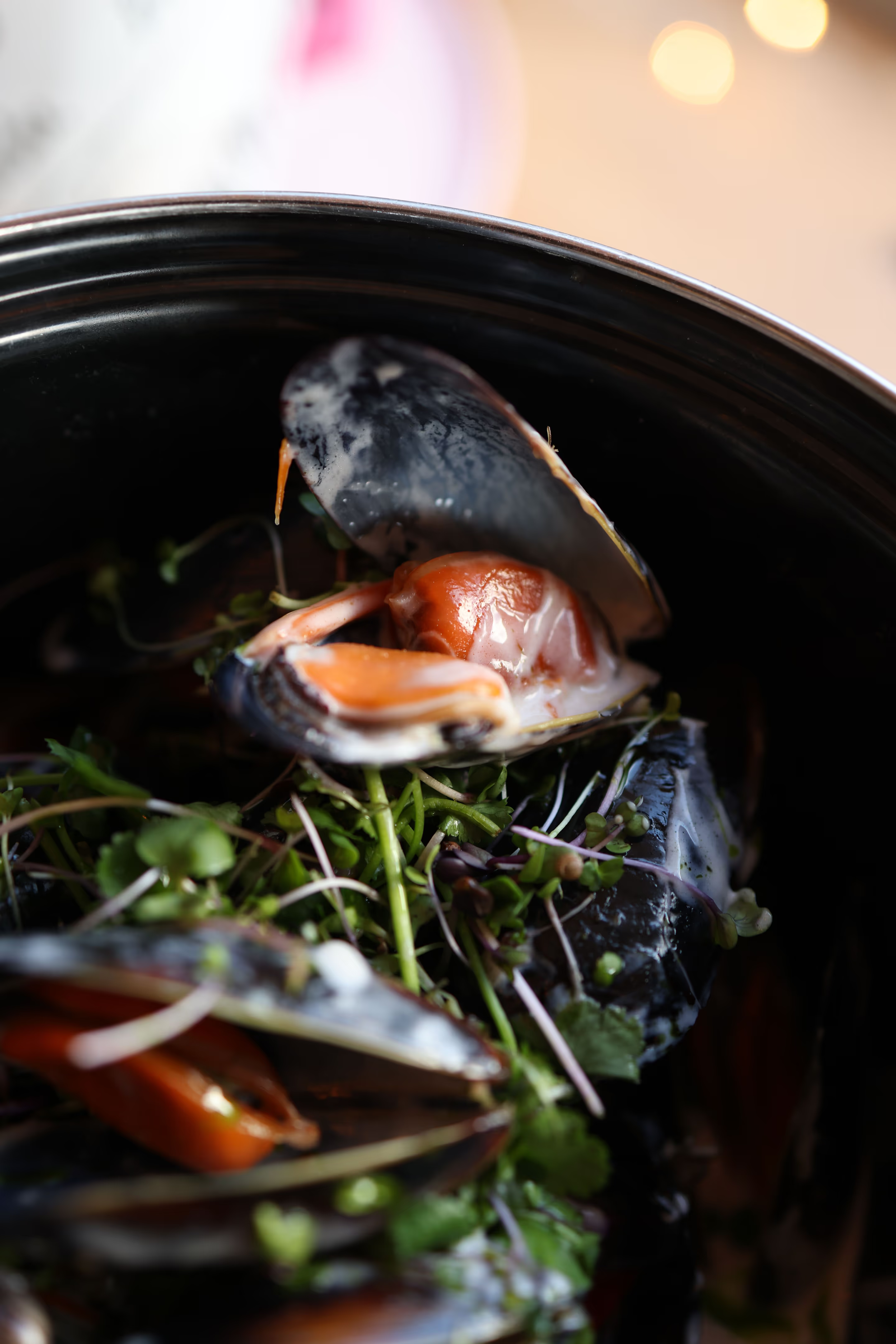
Centolla need not be the only reason to read a Fuegian menu closely. The province’s guide to local mussels connects mejillones with the Beagle Channel and Puerto Almanza’s artisanal aquaculture. It describes them in cazuelas, baked with Parmesan, used in pasta fillings and preserved in olive oil after smoking. Those are useful distinctions when choosing a course: a pot of shellfish, a filled pasta and a small preserved appetiser give the ingredient very different roles. The listed preparations describe the region’s cooking, rather than a menu guaranteed at every stop.
For a table already considering crab, a mussel dish can provide a second comparison without requiring another whole-crab order. Look at whether the preparation is chiefly shellfish, sauce or pastry, and choose the amount accordingly. A smoked preserve, if offered, belongs to a different part of the meal from a hot cazuela.
The island’s Atlantic side contributes another name: róbalo. Tierra del Fuego’s tourism office associates it with coastal fishing around Río Grande and towards Cabo San Pablo, and describes preparations on the griddle, in the oven and over the grill. This gives a food-minded traveller a more detailed map than “seafood in Ushuaia”: the Atlantic shore and the Beagle Channel have their own settings and products.
Read that distinction through the meal already available where you are. A róbalo main course and a shellfish course offer different textures and formats; neither needs to stand in for the other. Current restaurant offerings still determine what reaches the table. The regional association is a reason to recognise the name, not a promise that every kitchen stocks it or a reason on its own to add a long drive.
Merluza negra is not ordinary hake
Tierra del Fuego's official product information identifies merluza negra as Dissostichus eleginoides, commonly known in English as Patagonian toothfish. The name should not be reduced to a generic translation of hake.
This matters at the table because a diner may otherwise expect a very different fish. Ask how the kitchen prepares it and how the portion is priced. A careful description is especially useful when choosing between a simple fish course and a richer seafood meal.
Let the preparation guide the choice
The fish's name is one part of the order. Sauce, cooking method and accompaniments determine the final plate. If you want to taste the main ingredient clearly, say so and ask which preparation best serves that intention.
Do not order a celebrated product only to discover that the part you were curious about is difficult to distinguish among several strong flavours. Equally, a composed dish can be excellent when that is what you want.
There is no requirement to try every southern speciality during a short stay. A thoughtful centolla meal and another evening devoted to something entirely different can be more satisfying than repeating a theme beyond your appetite.
Ask provenance questions without inventing an easy verdict
A recognised regional product is not automatically a guarantee about a particular fishery, vessel or supply chain. If those details matter to your choice, ask what the restaurant can tell you.
An honest, limited answer is better than a confident story the staff cannot support. You can choose another dish if the explanation does not meet your needs.
The aim is an informed meal, not an impromptu technical examination of a server. Keep questions specific and courteous, and recognise the difference between what a restaurant knows and what requires specialist evidence.
Buenos Aires can connect the regions without replacing them
In Buenos Aires, a seafood restaurant can bring products from several parts of the country into one menu. That makes the capital another place to explore fish, particularly if the trip does not extend to every coast or river region.
The meal still belongs to that restaurant. It does not reproduce the experience of eating beside the Beagle Channel or in the Northeast, and it need not pretend to.
Choose the kitchen's strength
Look at the menu's focus. A place centred on fish may offer a different depth of choice from a restaurant with one seafood item among many unrelated dishes.
A few menu words make the decision easier
Understanding the preparation can matter more than recognising every species. Keep a small vocabulary of formats rather than trying to memorise a long list of fish names.
- A la parrilla: cooked on the grill; ask about the cut or whole-fish presentation.
- Al horno: baked; the sauce and accompaniments still vary.
- Ahumado: smoked; useful to recognise on starters and mixed boards.
- Milanesa: breaded preparation; establish which fish the kitchen uses.
- Cazuela: a casserole-style dish whose actual contents deserve a question.
A word such as filet suggests a fillet, but do not turn that into a promise that no bone can be present. If bones are a concern for your group, explain it to the server and ask about the particular dish.
Simple preparation is a choice, not a moral ranking
Grilling or baking can make the main ingredient easy to notice. A breaded fish dish or a well-made casserole can be equally enjoyable for a different reason.
Choose according to the meal. After a cold outing, a warm composed dish may be exactly right. At a leisurely lunch, a simply prepared fish with something fresh alongside may appeal more.
The important distinction is between an order chosen knowingly and one chosen because the menu was misunderstood. A few questions usually resolve the latter.
Look beyond the main-course fillet
Fish can enter a meal in smaller forms too. Regional cooking includes preparations served as starters, in fillings or as part of a selection. They can be an appealing way to explore without making every dinner a large seafood event.
River fish beyond the grill
La Paz’s municipal food guide documents river fish on the grill, fish empanadas and chupín among the local range. It points visitors towards the food area around Plaza 25 de Mayo, giving a town setting in which to compare menus rather than a promise that every kitchen serves every preparation.
Those names offer alternatives to a main-course fillet. Choose from the restaurant’s current menu and ask how its particular dish is served; the municipal listing does not establish a single recipe or ingredient list for all of them.
A fish empanada is still a particular recipe
For a fish empanada, the useful remaining questions are the fish used, other filling ingredients and whether the wrapper is baked or fried. Its pastry and seasoning make it a different eating format from a plain fillet, so compare the actual portion before deciding whether it is a shared first course or part of your main meal.
Small courses can create a more varied trip
Across several days, you might choose a smoked starter once, a grilled main another evening and a dedicated shellfish lunch later. The variety lies in the format as well as in the species.
There is no need to turn that into a formal eating itinerary. Let the day's appetite, the kitchen's offer and the company guide the decision. A food theme is useful when it helps you notice more; it becomes less useful when it begins deciding every meal for you.
Make the meal work for the whole table
Seafood can involve shells, bones, strong preferences and dietary requirements. Discuss those before committing the group to a restaurant whose appeal rests on one ingredient.
Sharing needs the right format
A whole fish can be satisfying to share when the restaurant helps serve it. A mixed platter can work well when everyone wants its contents. Individual portions may be simpler when preferences differ.
Ask what utensils and plates come with the dish, particularly for shellfish. Practical details make a meal more comfortable without diminishing its sense of occasion.
Allow time for food that requires work at the table. A crab meal squeezed into the interval before a transfer can become frustrating even when the cooking is excellent.
Explain allergies and other requirements clearly
Fish and shellfish are not interchangeable terms when somebody has an allergy. Tell the restaurant the specific requirement and ask about ingredients and preparation, including sauces and shared equipment.
A menu description cannot answer all of those questions. If the kitchen cannot accommodate the need clearly, choose another meal or restaurant that can.
For a group with mixed diets, look beyond whether one suitable item exists. The better choice gives each person a meal they look forward to eating.
Bring home a more detailed food map
The strongest food memory may be a texture rather than a name: smoke beside something fresh, a carefully cooked piece of fish, the effort of sharing crab, or a sauce that changes the first bite.
Following Argentina's waters gives you a different way to travel through the country. The rivers, lakes and southern coasts offer meals worth choosing for themselves. Steak can have its evening; these places deserve theirs too.


