Granite, ice and the days between
El Chaltén or El Calafate?
Choose El Chaltén, El Calafate or both by the walks, glacier experiences and weather flexibility that will make the stay worthwhile.
Blue ice or granite towers is only the beginning of the choice. The better question is how you want to spend a day, and how much time you can give the landscape.
El Chaltén and El Calafate belong to the same great landscape of southern ice and mountains, but they offer different ways of entering it. In one, a path from town can become the day's main event. In the other, a road journey brings you to a glacier whose scale can be appreciated from a network of walkways. The distinction is less about which place is more spectacular than about what you want to do with that spectacle.
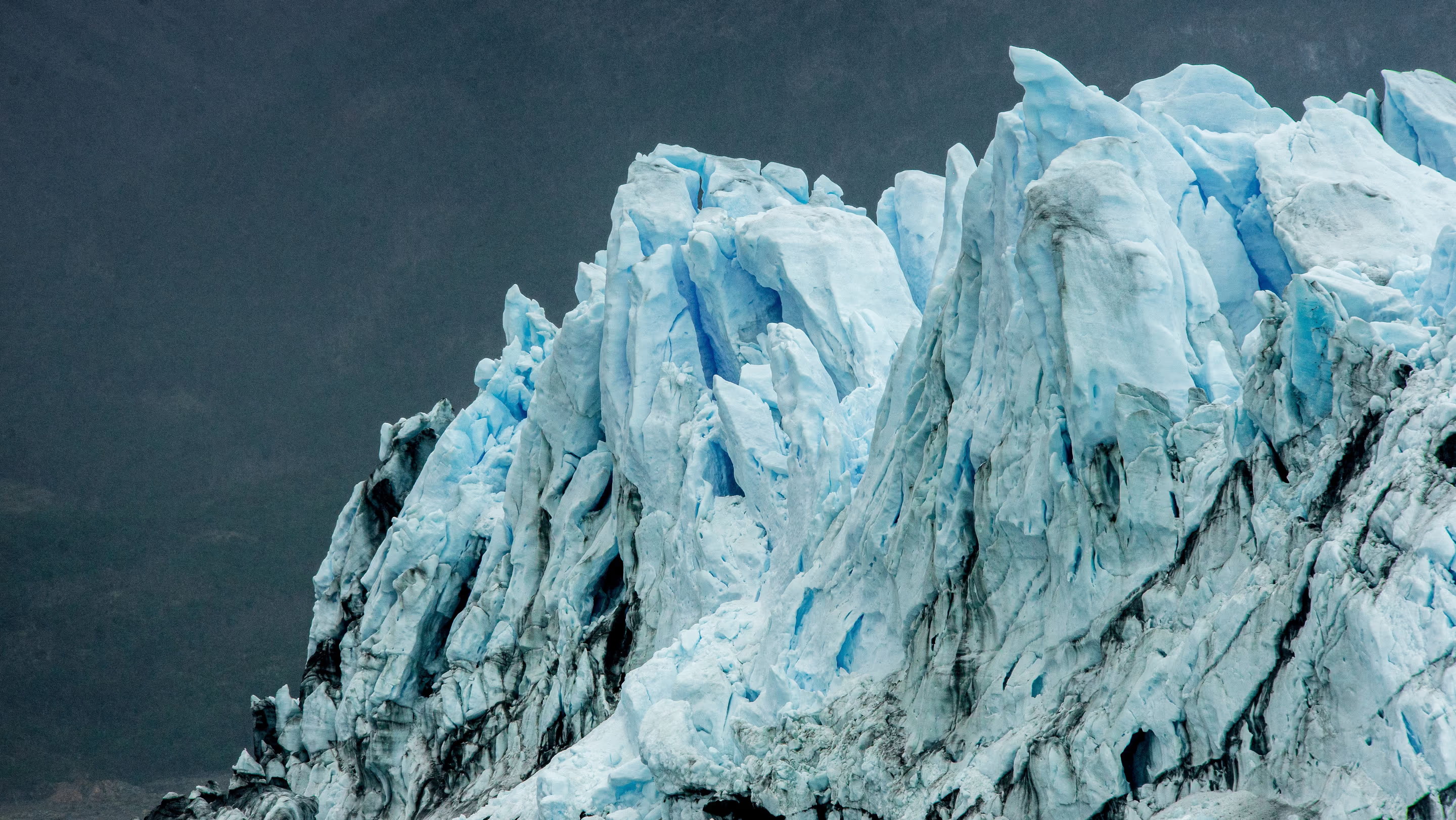
The photographs can make the choice look deceptively simple: granite towers or blue ice. In practice, effort, weather and the number of usable days matter just as much. A mountain hidden in cloud changes a hiking day differently from a glacier seen beneath an overcast sky. A steep final climb asks something different of the body from an afternoon moving between viewing platforms.
Neither place needs to be treated as a consolation prize for missing the other. Each supports a worthwhile stay. The strongest trip begins by deciding which experience deserves the most time, then seeing whether a second base adds enough to justify the move.
One national park, two very different days
Both towns provide access to Los Glaciares National Park. El Calafate serves its southern visitor area, most famously Perito Moreno Glacier. El Chaltén sits beside the northern walking country around Fitz Roy and Cerro Torre. Their shared park name does not put the major experiences next door to one another.
The road connection is roughly two hundred kilometres, according to national-park visitor information. That is a manageable move within a southern Patagonia trip, but it is not the same as stepping from one trailhead to another. You have accommodation, luggage and an arrival to deal with at the far end.
El Calafate puts the ice within reach
For many visitors, Calafate offers the more direct route to an extraordinary landscape without requiring a long mountain hike. The glacier walkways allow different lengths of visit and changes of viewpoint. There are steps and slopes, as well as specific accessible arrangements, so the right comparison is between actual circuits rather than a blanket claim that the entire site is easy.
The experience also has a different tempo from a summit-bound walk. You can stop for a long time at one view. Ice changes colour with light and shadow; the eye gradually separates ridges, cracks and the boundary between the glacier and the water. Waiting is part of looking, even if no dramatic piece breaks away.
Boat and guided ice experiences add other perspectives, but they are optional forms of engagement rather than proof that you have visited properly. Someone who spends a generous, attentive day at the walkways has had a substantial encounter with the glacier.
El Chaltén makes the approach part of the reward
Chaltén's best-known walks reveal their landscapes over time. The route passes through woodland and open ground; the mountains appear, disappear and change their relationship to the foreground. The destination matters, but the hours spent reaching it supply much of the experience.
That makes Chaltén particularly rewarding for people who enjoy walking as an activity. If the pleasure is only the final photograph, the effort and uncertainty can feel disproportionate. A visitor who likes the movement, changing terrain and gradual opening of views has more ways for the day to succeed.
Choose the kind of day before choosing the famous name. The two towns work beautifully together when you genuinely want both experiences. They work less well as a compressed pair included because leaving either one out feels somehow incomplete.
What a glacier day actually contains
The visit to Perito Moreno Glacier begins before the first platform. There is a road journey from Calafate, an entrance process and a choice about how the day will be organised. A tour, a bus connection and a self-drive visit leave different amounts of independent time once you reach the visitor area.
Compare that time carefully. Two products can advertise the same glacier while offering very different visits: one may leave a long interval at the walkways, another may divide the day around a sailing or an ice programme. The list of inclusions does not reveal whether the pace suits you.
The walkways deserve more than a quick look
The walkways run through a wooded setting towards several glacier perspectives. This is one of the encounter's pleasures: the living forest remains close while the ice occupies the view beyond. Movement between platforms changes the relationship between the glacier's surface, its front and the lake.
You do not need to walk every section to make the visit worthwhile. Select a route that suits the group, allow time to stop and leave enough energy for the return. A shorter circuit enjoyed attentively can offer more than a longer one completed because it looks comprehensive on the map.
For a visitor with limited mobility, ask about the precise accessible route, assistance and arrival arrangements. The park identifies ramps and support provisions, but stairs elsewhere mean that access cannot be inferred from the existence of one accessible section. The most useful questions concern the actual journey from vehicle to viewpoint.
It is also worth resisting the idea that the glacier must perform. Calving is a natural process, not a scheduled attraction. Listening and looking can be absorbing without a major collapse. Settle into the scene and let whatever happens belong to the day you have, rather than to a video watched before travelling.
A boat changes scale; it does not replace the land view
From the water, the glacier's front becomes a different composition. The height and texture of the ice stand against the lake rather than the path and forest around you. A navigation can therefore add something real, especially for someone who enjoys time aboard a boat.
Read the departure point and route before choosing. The park has several places associated with lake excursions, and the name “glacier cruise” does not identify one uniform experience. Boarding arrangements, time on the water and the connection with the walkways all affect the day.
Wind can alter comfort and operations. An enclosed cabin and an outside deck provide different ways of enjoying the trip, and neither should be assumed from a photograph of a boat. If being on the water matters, give the sailing a sensible place in the plan rather than attaching it to an already hurried visit.
Walking on ice is a separate decision
Guided ice programmes require a closer reading of suitability. Their approaches, equipment, physical demands and participation conditions vary. The amount of time spent on the glacier is only one part of the day; there may also be road transfers, a crossing, preparation and walking to reach the ice.
Choose the programme only if its complete demands suit you. Current operator conditions matter more than a friend's account of a different product or a past visit. The walkways are not a lesser version of an ice trek. They offer a different encounter, one that may better match your interests and comfort.
Which Chaltén walk belongs in your stay?
The two best-known objectives around Chaltén are often treated as consecutive boxes to tick. It is more useful to compare what they ask of you and how each landscape unfolds. Weather, fatigue and your usual walking experience should help determine the order.
The destination guides provide more detail on individual routes. This comparison is about choosing the right stay, not replacing current trail information or a route map. Conditions on the ground remain the authority for the walk you actually undertake.
Laguna de los Tres: the demanding finish matters
Laguna de los Tres is closely associated with the classic Fitz Roy view. The approach is a substantial walking day, and its steeper final ascent is an important part of the decision. A comfortable early section does not establish that the whole route will feel equally manageable.
The lake and the granite above it are powerful reasons to want to go. But the day also includes the descent and the journey back. Think about how your legs usually feel late in a long walk, rather than assessing the route only through the excitement of reaching the viewpoint.
A sensible decision can be made at more than one stage. If weather or energy changes, a shorter objective can still give the day value. That is not a failure of ambition; it is part of choosing a mountain day with enough judgement to enjoy the return.
If this walk is the main reason for Chaltén, give the stay more than one possible day for it. Extra time improves your ability to respond to conditions. It cannot guarantee a clear mountain, and it should not become a reason to ignore advice when the forecast looks unhelpful.
Laguna Torre: a different landscape, not an automatic easy option
Laguna Torre leads into another mountain composition, with a valley approach and the lake beneath the Torre group. It deserves consideration for its own character, rather than being introduced only as the walk you do if Fitz Roy does not work out.
The overall experience can feel different from the final climb to Laguna de los Tres, but “different” should not be translated into effortless. It remains a long outing for many visitors, with uneven surfaces, weather exposure and a return journey. Someone who rarely walks for several hours should assess it carefully.
The attraction includes the changes along the valley, not only the moment at the lake. Forest, river and open views make the approach part of what you are choosing. That offers a useful test: would you still want to spend the day here if cloud obscured the highest peaks?
For many walkers, the answer is yes. For others, a shorter outing and more time in another base may be a better fit. A rewarding holiday does not require everyone to share the same appetite for long trails.
Shorter days can hold the stay together
A Chaltén visit does not have to alternate between maximum-effort walks and doing nothing. Shorter viewpoints, time around the village and suitable lower outings can provide a different scale of day. They also create space to recover between larger objectives.
Choose these options before you need them. Knowing which shorter routes actually interest you makes a change of plan easier to accept. It also helps a group with different walking ambitions spend some time together without requiring everyone to complete the same long route.
Do not measure the value of a day only by distance. A good view held for a while, a conversation over lunch and an early evening before tomorrow's walk may be exactly what the stay needs. The quieter interval often improves the larger outing that follows.
Lago del Desierto changes the reason to stay longer
Lago del Desierto lies beyond Chaltén and introduces another valley journey, with its own road and activity arrangements. It is not simply an extension to the paved approach from Calafate or a stop that naturally fits on every transfer.
This is a useful addition when you want a different kind of landscape day alongside the walks from town. The lake, forest and surrounding mountains offer other perspectives, while boat outings and walking options vary in effort and logistics. The right choice depends on the actual programme, not the shared destination name.
Consider the whole valley outing
Transport makes a meaningful difference here. A booked excursion, a transfer to a particular starting point and a self-drive day provide different amounts of freedom. Establish where an activity begins and ends, and how you will return to Chaltén before making the rest of the day's commitments.
A lake navigation and a demanding walk near the valley should not be assumed to ask the same things of the visitor. Read the description for the option that interests you, including time on foot and the current state of access. A quieter-looking photograph can still belong to an outing with substantial physical demands.
The case for another night in Chaltén becomes stronger when this valley is a real interest. It gives the stay a second dimension beyond repeating long walks from town. Adding it to an already full two-night visit, by contrast, may simply create another hurried day.
Weather gives the two bases different kinds of uncertainty
A glacier can remain visually compelling beneath low cloud. The surface and front are still there to study at relatively close range. Mountain walking can depend more heavily on how conditions affect the route and the visibility of distant peaks, although a hidden summit does not remove every reason to enjoy a trail.
These are tendencies in the visitor experience, not guarantees about weather. Wind, rain, snow and ice can affect both areas and their operations. The useful distinction is what your preferred activity needs in order to work well.
Keep options, not promises
In Chaltén, identify your main walking ambition and at least one alternative with a different level of effort or exposure. In Calafate, consider what you would enjoy if a particular sailing could not operate. A plan with alternatives is more resilient when those alternatives are appealing in their own right.
Avoid assigning every major activity to one unchangeable date before you know the local conditions. Some experiences require advance reservations, so flexibility is never unlimited. Read cancellation and rearrangement terms as part of choosing the product, not only after the forecast changes.
For mountain routes, current park advice and the specific trail status matter more than a general seasonal recommendation. A popular walk does not remain the same proposition through snow, thaw and rain. Your experience and equipment need to suit the conditions of the visit you are making.
Recovery is part of the itinerary
A day after a demanding walk may feel different from the day you imagined while booking. Stiff legs can make an ordinary staircase noticeable; tiredness can take the pleasure out of another early start. Leaving some room around the biggest objective is a practical way of protecting enjoyment.
This matters particularly when a group has uneven walking experience. Decide in advance whether separate activities are welcome and how you will reconnect afterwards. A person who prefers a shorter outing should not have to spend the holiday defending that preference.
Calafate can offer a useful contrast after several active Chaltén days, but the move itself is not automatically a rest. Packing, road travel and settling in still take energy. Place the quieter time where it will actually occur, rather than assigning the label “rest day” to a busy transfer.
The places around the headline view
The difference between the towns becomes more interesting when you look away from their best-known attractions. Calafate opens towards Lago Argentino and the steppe; Chaltén sits where the river valley and walking country meet. Spending time in these immediate surroundings gives the larger excursions a setting.
Calafate's quieter water
Reserva Laguna Nimez offers a focused wetland visit close to Calafate. Instead of looking for one enormous subject, you pay attention to smaller movements across water and vegetation. The marked circuit encourages a different pace from an excursion timed around reaching the glacier.
Bird activity varies, so the value lies in the habitat and observation rather than a guaranteed species list. Bring patience, pause where the view opens and use binoculars if you have them. A reserve walk can be an engaging part of the stay without becoming an exhausting additional expedition.
The town's historical interpretation and archaeological visits in the wider area add another dimension. The landscape has human histories as well as geological ones. Choose one subject you want to understand more deeply, rather than trying to use every available hour to collect another sight.
Chaltén's broader horizon
Near Chaltén, the viewpoints associated with Los Cóndores and Las Águilas help reveal the relationship between the town, the open country and the mountains. Their value is orientation as well as scenery: after looking across the valley, the routes on tomorrow's map become easier to imagine.
Shorter does not mean sheltered. Wind can make an exposed viewpoint uncomfortable or unsuitable, so use the current map and advice to choose the actual circuit. On a good day, the broader outlook is a satisfying subject in its own right, without requiring a close view of the most famous tower.
Chorrillo del Salto offers another scale of outing, with forest and falling water. The amount of walking depends on where you begin and how you reach the access. This is a useful example of why a place-name alone cannot tell you whether a day suits the group.
These quieter experiences also make separate interests easier to accommodate. One person may want another major trail while another prefers a shorter walk and time in town. A stay can hold both ambitions when the practical arrangements are clear and nobody treats the smaller outing as less legitimate.
The result is a fuller choice between the bases. You are choosing not only the major day, but the mornings and afternoons around it. Those intervals are often what distinguish an enjoyable stay from a string of impressive excursions with little room to absorb them.
How many nights make sense?
There is no universal allocation, because a visitor seeking one glacier encounter has a different goal from a walker waiting for several mountain opportunities. Start with the experiences you care about, then translate them into nights and usable days. The eight-day El Calafate and El Chaltén itinerary offers a worked allocation to compare with your priorities, rather than a timetable that suits every traveller.
A two-night stay usually creates one full day between arrival and departure. It does not create two completely free excursion days. This simple distinction matters in both towns and becomes even more important when a flight or road connection occupies much of an end day.
If the glacier is the main reason for going
Give Calafate enough time for an unhurried glacier day and a comfortable arrival and departure. Additional time can support another lake experience, local interpretation or a slower visit to the town's surroundings. The value of an extra night depends on whether one of those interests genuinely appeals.
A museum such as Glaciarium can add context to what you have seen: the ice belongs to a wider system and history, not just one dramatic front. A town-based interval also gives a different view of the destination from a sequence of excursion pickups.
Adding Chaltén becomes worthwhile when you want its walking or valley experiences, not merely because it is the next famous name. If neither a long trail nor a quieter mountain stay interests you, more time in Calafate or another region may be the more satisfying choice.
If walking is the main reason for going
Give Chaltén the larger share of the stay. Several nights create more possibilities for varying the order of outings and recovering between them. They also allow you to enjoy the village and a shorter day without feeling that each hour must produce a major view.
Then decide how much of Calafate's visitor area you want. A complete glacier day can make an excellent contrast, with enough time around it to avoid treating the visit as a race between transport connections. The two places complement each other most clearly when each is allowed to do what it does well.
For travellers with a small number of nights, one well-matched base can be better than a compressed pair. The point is not to minimise movement at all costs; it is to ensure the second destination receives enough time to become an experience rather than a name on the booking list.
Make the move serve the visit
The Calafate–Chaltén road corridor has its own appeal: broad steppe, large bodies of water and the gradual approach towards the mountains. On a clear day, the distant skyline can become part of the journey long before you reach town. The route is worth looking at, even when it is primarily a connection.
A scenic transfer still needs an honest allowance in the itinerary. Collecting luggage, reaching the departure point, stops, check-in and getting food afterwards all sit outside the moving time quoted for the road. Those small tasks explain why a journey can occupy much more of the day than its timetable suggests.
Decide whether you want a straightforward move or a separately arranged outing along the corridor. A brief stop around La Leona is not the same as the guided petrified-forest visit in the wider area. The latter deserves its own time and transport arrangements rather than being added as a casual roadside pause.
Avoid making a demanding Chaltén walk depend on an optimistic arrival. A shorter first outing may fit when conditions and energy suit, but the major trails are better considered from a settled base. A comfortable first evening can be more valuable than forcing a second full activity into the travel day.
When another region is the better answer
Sometimes the comparison reveals that neither version of this southern trip quite matches the holiday you want. Perhaps the group prefers shorter walks, varied town life and a wider range of lake outings to a stay centred on one glacier and several substantial mountain routes.
In that case, Bariloche is a relevant alternative rather than an inferior substitute. Its combination of town, forest, lakes and different excursion styles supports another kind of Patagonian visit. The choice changes the character of the trip, so it deserves to be made deliberately rather than as a late adjustment.
That does not mean Calafate requires strenuous activity or Chaltén offers nothing beyond long hikes. It means each place has a particular strength, and the best base is the one whose strengths resemble your interests. Comparing those honestly is more useful than trying to make every destination sound ideal for every traveller.
Before booking, ask three final questions:
- What do we most want to spend a day doing? Looking closely at ice, walking towards mountains, or combining different kinds of outings?
- How much uncertainty will feel enjoyable? A flexible mountain stay and a tightly planned short break need different arrangements.
- What will the extra base add? Name the experience it makes possible, then give that experience enough time.
El Chaltén and El Calafate can form a remarkable partnership. They can also stand confidently on their own. Let the choice begin with the days you want to live through, and the photographs will become part of a richer memory of being there.


