Follow the ingredients through the northwest
Eating in Salta and Jujuy: beyond the empanada
Explore humitas, tamales, stews, cheeses and regional produce, with practical ways to order across Salta's valleys, the Quebrada and the Puna.
The northwest shares food traditions without sharing one uniform menu. Ask how a dish is prepared here, notice where its ingredients come from and give the journey enough time for meals that reveal the differences.
Follow the ingredients beyond the empanada
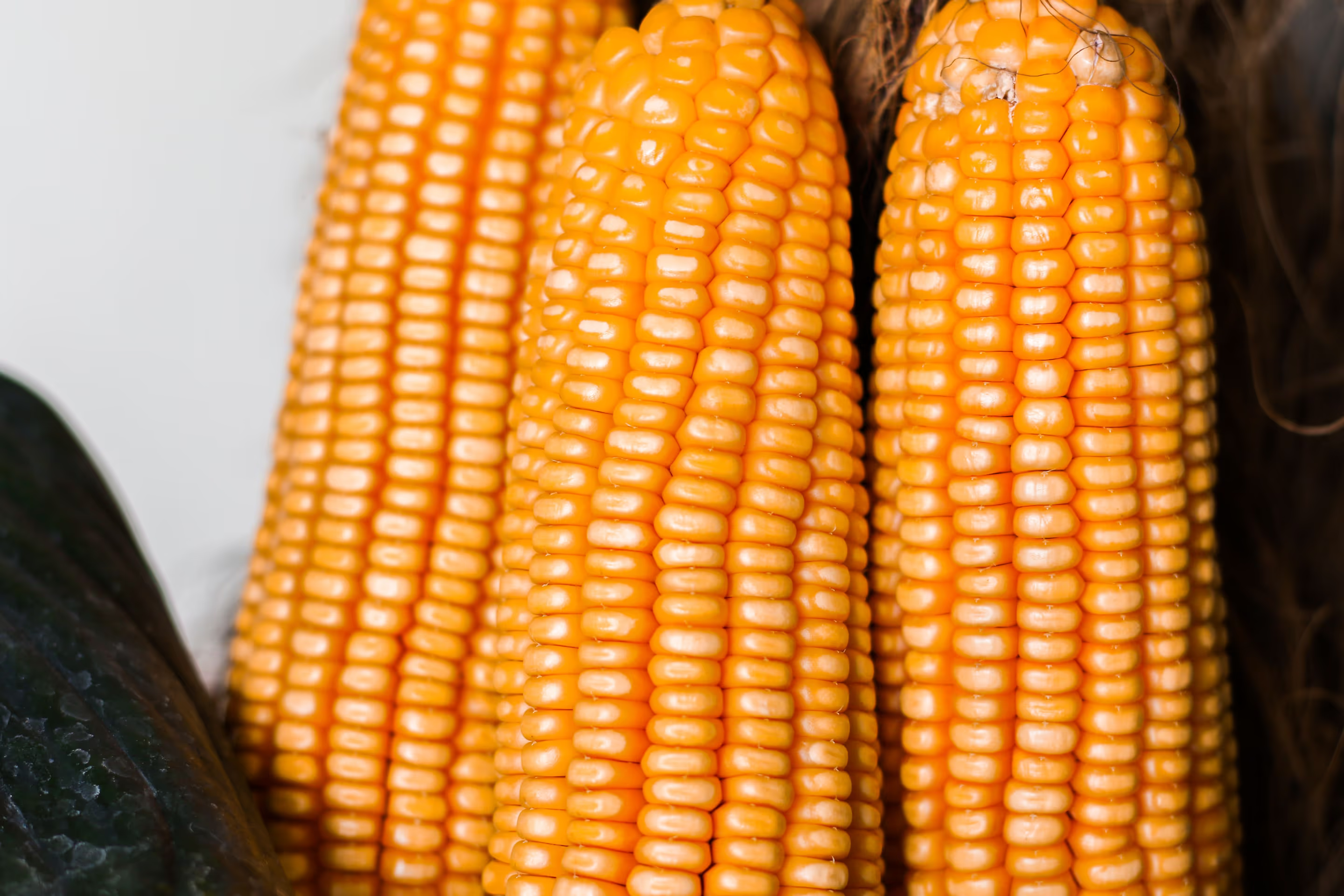
An empanada is a good beginning in northwest Argentina. It is a less satisfying place to stop. Stay curious about the rest of the menu and the journey opens into corn preparations, stews, potatoes with names you may not know, fresh cheeses, fruit preserves and dishes whose character changes with the landscape around them.
Salta and Jujuy share many ingredients and food traditions, but neither province has a single uniform cuisine. A meal in a city, a wine-growing valley, the Quebrada or the Puna can point toward different products and ways of cooking. The distinction is more useful than a contest over which province makes the definitive version of a familiar dish.
The Salta, Jujuy and northwest Argentina guide helps put those places in relation to one another. Use food to give the route depth: a market visit in the city, an unhurried valley lunch and a conversation about the ingredients in a mountain-town meal. You do not need a separate culinary excursion for every stop.
Ask what this kitchen makes with the products around it. That question creates space for a cook's own version without demanding that the plate represent an entire province. It also gives you a practical way to choose when several unfamiliar names appear on the menu.
A regional name is the start of a conversation
Menus can use the same dish name for preparations that differ in filling, texture, seasoning or accompaniment. Treat that variation as part of the interest. Ask what is in the dish and how it is served rather than expecting a recipe you encountered elsewhere to be universal.
The question “¿Cómo lo preparan acá?”—how do you prepare it here?—is especially useful. It invites a description of the food in front of you. Follow with a simpler ingredient question if the answer includes unfamiliar words.
If you are traveling with others, choose a few contrasting dishes instead of ordering every regional specialty at the first meal. You will have more opportunities along the route. A good food journey develops over several days rather than reaching its conclusion with one crowded table.
Begin in Salta with a market and a meal
Salta city can provide a practical introduction before you travel into the valleys or farther north. The provincial tourism office's food overview highlights corn, valley spices such as paprika and cumin, cheeses, meats and products from the Puna, along with tropical fruit from the province's warmer northern areas. That range is a reminder that Salta extends well beyond the landscape of its capital.
Mercado San Miguel is one place to investigate the relationship between produce and prepared food. The province's official listing describes fruit, vegetables and regional products alongside a dining area offering dishes such as humitas, tamales and locro. Check the current arrangements of the market and individual businesses before visiting; the listing is useful context, not a guarantee that every dish will be served when you arrive.
Walk through first if time allows. Notice the ingredients for sale, then choose a meal that connects with something you have seen. If you want to ask a vendor about an unfamiliar product, do so without blocking a busy transaction. Buying something you can actually use is a better exchange than treating the stall as a free demonstration.
Let the city introduce a few names
A first meal might compare a humita and a tamal, or pair a small starter with a stew. Another could focus on empanadas and leave the rest for the following day. Choose according to appetite and the portions offered rather than assuming every dish is a tasting size.
Write down the name of something you enjoyed and a brief description of what made it distinctive. That note can help you recognize a variation later in the journey. You do not need a complete recipe; knowing whether the preparation was corn-based, wrapped, spoonable or served with a particular accompaniment is already useful.
The city is also a convenient place to discuss dietary needs before you travel into smaller settlements. Learn the terms that matter for you and keep a clear explanation available. A few precise words can make later ordering easier than relying on a broad label such as “regional.”
Humitas and tamales are different invitations
Both can arrive wrapped in corn husks, which makes them easy to confuse before you open them. The Jujuy tourism catalogue describes humitas as a preparation based on corn, with ingredients such as milk, onion and cheese in its example, while tamales use a cornmeal preparation enclosing a meat filling. Recipes vary, but the distinction helps you ask the right question.
A humita is a chance to pay attention to the corn itself and the way the kitchen balances it with other ingredients. A tamal brings a different structure, with the filling and surrounding corn preparation doing separate work. Order one of each if the portions and your appetite make that sensible, then compare them without deciding that one must be superior.
Ask whether the dish is served wrapped or in another form. “En chala” refers to the husk wrapping. A humita “en olla” is a pot preparation. The name can guide expectations about how you will eat it, but it still does not tell you every ingredient.
Open the wrapping, then take your time
The wrapper is part of the preparation and presentation, not the part you are meant to eat. Open it carefully on the plate, keeping any hot contents contained. If the serving is unfamiliar, it is entirely reasonable to ask how the kitchen suggests eating it.
Begin without adding every available condiment. Taste the corn and filling first, then decide whether you want sauce or seasoning. That makes it easier to notice differences between two kitchens rather than experiencing both mainly through the same added dressing.
These dishes can form a meal or a smaller part of one depending on size and what else you order. Ask about the portion before combining them with a substantial main. Their compact appearance can hide a more filling dish than you expected.

Give locro and the day's stews a proper place
Locro is a slow-cooked preparation with a base that commonly includes corn, beans and squash, with meat ingredients in many versions. Argentina's official food references emphasize variation rather than one fixed recipe. Ask what the kitchen uses, especially if you avoid particular meats or want a vegetarian preparation.
A bowl of locro is not merely a sauce to accompany another main. It can be the centre of lunch. Choose the rest of the order around that possibility and allow time to eat it comfortably. If a condiment arrives separately, taste it before adding a large amount.
Other stews or casseroles may be listed under names such as guiso or cazuela followed by an ingredient. Read the whole description. A name that sounds familiar may refer to a different meat, grain or vegetable combination from the one you know.
Order by texture as well as ingredient
If you are deciding between a corn preparation, a stew and grilled meat, think about what kind of meal appeals that day. Something spoonable, a wrapped dish and a plate with separate components offer different experiences even when they use overlapping ingredients.
Ask whether a stew includes its accompaniment or whether you should choose one. A dish already containing potatoes or corn may not need an extra side for every diner. The server can help you judge how the menu's pieces fit together.
Do not assume that a dish is available every day simply because it appears in a regional guide. Some kitchens prepare particular dishes on certain days or in limited quantities. An early question about what is ready can produce a better meal than insisting on a name from a checklist.
The Valles Calchaquíes: let lunch shape the route
In Cachi, the provincial tourism description includes humitas, tamales and locro, followed by sweets such as mazamorra, turrón salteño and preserves of cayote or cuaresmillo. Use those names as prompts when reading a current dessert menu. You do not need to order every sweet to notice that the region's food extends beyond savory dishes.
A valley lunch is worth making part of the day rather than leaving it to whatever time remains after a drive. Choose where you expect to stop, confirm that a kitchen will be serving and leave room to sit. A restaurant can be an enjoyable destination without requiring you to rearrange the whole journey around it.
If you are continuing between towns, keep the onward travel in view. A generous lunch followed by a demanding schedule can make both less enjoyable. Decide which day is for a leisurely table and which is primarily a travel day, then order accordingly.
Cafayate adds a wine-country context
Cafayate has its own food setting within the valleys. The official visitor page points to goat cheese, cabrito casserole, carbonada, fruit and nuts alongside the area's wines. Torrontés is one prominent local wine reference, but a meal here does not need to become a tasting session if you prefer not to drink.
If wine interests you, compare a restaurant lunch with a booked winery experience. The latter may combine a visit, tasting and meal, or may offer only some of those elements. Read the actual inclusions and arrange transport that fits the plan before reserving.
A trip through Quebrada de las Conchas can surround a Cafayate stay, but it is a separate outing with its own time demands. Do not assume a scenic drive, several winery appointments and a long lunch all fit comfortably into the same stretch of day.
Ask about a product's place in the meal
A local cheese can appear as a simple serving, part of a starter or an ingredient in a more elaborate dish. A fruit preserve might accompany cheese or finish the meal in another form. Ask how the kitchen serves it and choose the preparation that interests you.
If you buy food to take away, consider how you will carry and store it during the rest of the trip. A sealed dry product and a fresh cheese create different practical needs. Ask the seller for the appropriate handling information and check any rules that apply if you later cross an international border.
The value of a food purchase is not only in bringing something home. It may be a small item enjoyed during your stay, with a clear memory of where it came from and what you learned about it.
Jujuy: distinguish the Quebrada from the Puna
The Jujuy guide introduces a province whose food changes with its regions. A 2026 provincial account of producers identifies llama and lamb products with the Puna, potatoes and corn among the Quebrada's crops, and citrus and tropical fruit from the Ramal and Yungas. These are useful patterns, not borders that prevent ingredients from traveling.
In the Quebrada de Humahuaca, look beyond a generic “Andean” label on a menu. Ask which potato, corn preparation or grain appears in the dish and how the cook uses it. The answer may be modest and specific, which is often more illuminating than a sweeping description of ancient cuisine.
Jujuy's tourism material also distinguishes crops such as oca and papa lisa, or ulluco, from ordinary potatoes. Their names are worth recognizing if they appear on a menu. Ask about the preparation and availability rather than expecting every restaurant to carry them.
Let the ingredient remain interesting without a superlative
A potato does not need to be described as rare, sacred or a superfood to deserve attention. Notice how it is cooked and what it contributes to the dish. A grain can matter because of texture, a corn preparation because of its form, a cheese because of the way it changes the balance of a meal.
Avoid assuming that a bright color predicts a particular flavor. If a cook or producer can identify the variety, listen to their explanation. If they cannot, enjoy what is on the plate without inventing a story for it.
This is also a good place to separate cultural interest from nutritional claims. You are choosing food on a journey, not a treatment. The ingredients can be interesting on their own terms.

Choose a Quebrada base that leaves time to eat
Purmamarca can work as part of a slower stay or a shorter stop, but the two create different opportunities for meals. If you arrive on a timed excursion, find out how much independent time is actually available. A long lunch may be better saved for a night when you are staying locally.
In Tilcara, give at least one meal an unhurried place in your schedule if food is an important interest. Look at current menus, ask what is available and choose a kitchen that can explain the dishes you want to understand. A fashionable description is less useful than a clear account of what will arrive.
For Humahuaca and Hornocal, distinguish a meal in town from a high-country excursion. Confirm where you will eat and what food or water you need to carry for the outing. Do not rely on finding a particular meal at a viewpoint or remote stop.
These places can all belong to a Quebrada itinerary, but you do not need to eat in each on the same day. Staying longer in one base may let you return to a kitchen, compare a second dish and have a less hurried conversation.
The Puna requires a more deliberate meal plan
If your journey extends toward Salinas Grandes or other Puna routes, ask your driver, guide or accommodation how meals fit into the actual day. Clarify whether lunch is included, where it is served and what alternatives can be arranged for dietary needs.
Jujuy's official culinary training material associates the Puna with dishes using llama, lamb, mote and potatoes, and lists preparations such as sopa majada and calapurca. That gives you useful names to ask about, but not a promise that a roadside kitchen will have them ready on demand.
For any specially arranged meal with a local host, confirm the group size and dietary requirements early. A small kitchen may plan ingredients and preparation around the reservation. Arriving with a different number of people or an unmentioned restriction can make the arrangement difficult for both sides.
Llama, lamb and other unfamiliar menu choices
An unfamiliar meat is not an obligation to be adventurous. If you are curious, ask what cut or preparation the kitchen serves. A stew, roast and cured product provide different experiences, so the species name alone does not answer the question of texture or flavor.
If several people want to try a dish, ask whether it is suitable for sharing and what accompanies it. A small shared order can allow curiosity without making the entire meal depend on a new ingredient. Choose other dishes that the group already knows it will enjoy.
If you prefer not to eat a particular animal or do not eat meat at all, say so plainly. There is no need to justify the preference as a judgment on the local cuisine. The useful task is to find a meal that the kitchen can prepare and you can enjoy.
Learn the words that affect the order
Charqui refers to dried meat; ask which meat and how it is used in the dish. Mote identifies a prepared grain, with corn central to many regional uses. A menu that includes either deserves a question about the whole preparation rather than an assumption based on one ingredient.
Words such as picante, cazuela and guiso tell you something about the dish, but not everything. Ask how spicy a preparation is and whether a sauce can be served separately if that matters to you. A regional style can vary from one kitchen to another.
Keep the conversation focused on the food you are ordering. You do not need to master an entire glossary before lunch. One useful question answered well is more valuable than several terms repeated without understanding.
The Yungas and lower valleys change the picture
The northwest is often represented by dry mountains, yet both provinces include warmer, greener areas with different produce. Salta's current food overview mentions tropical fruit from its northern forest region. Jujuy's 2026 producer account identifies citrus, papaya and other fruit from its Ramal and Yungas, alongside vegetables from its valleys.
This matters even if your itinerary stays on the better-known route. A market may bring products from several environments together. Ask where an ingredient comes from rather than assuming that everything sold in a mountain town was grown immediately outside it.
A fruit-based drink, preserve or dessert can therefore add another geographical thread to the meal. Check what is actually in season or available, and choose according to the current offering. A list of regional products is not a calendar of guaranteed daily supply.
Avoid turning variety into an authenticity test
A contemporary restaurant can use local ingredients thoughtfully, just as an ordinary comedor can prepare familiar regional dishes. Neither needs to fit a visitor's preferred image of tradition to deserve consideration. Read the menu and listen to how the cook describes the food.
Equally, an old-looking room or rustic plate does not establish where the ingredients came from. If provenance matters to you, ask. A straightforward answer is more useful than making assumptions from the decor.
Try different kinds of meals over the trip: a market lunch, a simple local kitchen and perhaps one more elaborate dinner. The contrast can help you notice the choices each makes without declaring that only one represents the region.

Peñas and hosted meals need their own expectations
A peña can combine food with folk music, making the evening more than a restaurant booking. Salta's official tourism information presents peñas as an important part of the city's cultural life. If that is the experience you want, ask about the programme, when food is served and any separate cover or minimum spend.
Choose according to the kind of evening you enjoy. A performance-led setting, a more participatory atmosphere and a quiet dinner are different plans. Confirm the current format with the venue rather than relying on a general description of peñas.
If you need an early departure, mention it before booking. A meal that begins comfortably can become frustrating if you expected the music or service to follow a different timetable. Leave the next morning's travel in mind when planning the evening.
Visit a host's kitchen as a guest
A cooking session or community meal can offer a closer understanding of a preparation, but it should be clearly arranged. Confirm who is hosting, what is included, the language used and whether the activity involves cooking, observing or simply sharing the meal.
Ask before photographing people, food preparation or a private space. Follow the host's guidance about participation and the parts of the experience that are open to visitors. A meal connected to a community or family should not be treated as an unlimited invitation to document everything.
Pay the agreed price and arrive as arranged. If your plans change, communicate promptly. These are ordinary courtesies, but they matter particularly when a small group or household has prepared specifically for your visit.
Dietary questions need more than the dish name
Corn, quinoa and vegetables appear throughout the regional repertoire, but that does not make every dish vegetarian, vegan or suitable for someone avoiding gluten. Fillings, fats, stock, cheese and preparation methods can change the answer. Ask about the finished dish.
For allergies or coeliac disease, explain the specific requirement and ask whether the kitchen can meet it, including cross-contact during preparation. ANMAT's guidance makes clear that ingredients can be transferred through surfaces and utensils. If a kitchen cannot give you a confident explanation, choose an option whose preparation can be confirmed.
Carry a short written explanation in Spanish if it makes communication easier. Share it before the order is prepared, particularly for a hosted meal or an excursion with lunch included. A last-minute request is harder to accommodate than one made when the meal is being planned.
Keep ordinary meals in the itinerary too
You do not have to eat a regional specialty at every sitting. A simple breakfast, a familiar lunch or a smaller evening meal can create space to enjoy the next dish with interest. A culinary journey is still a journey with different appetites from day to day.
On a long travel day, confirm food arrangements before leaving your base. Carry what the day's plan reasonably requires and avoid making a distant restaurant reservation the only way everyone will eat. Practical preparation gives you more freedom to enjoy unexpected opportunities.
Budget for the complete meal, including drinks, cover charges where applicable and transport for a special outing. A memorable dish need not be the most expensive part of the trip. The time and attention you give it often matter more.
Keep a small record of what you learned
A few notes can make the next menu easier to read. Record the dish name, where you ate it and the ingredient or preparation that made it memorable. If the cook gives you a local name for a potato, cheese or preserve, ask how it is written rather than guessing from the sound.
Use those notes to ask a more specific question at the next stop. You might recognize a familiar preparation made with a different ingredient, or discover that a similar name refers to another dish entirely. The point is to notice the variation, not to judge one kitchen against a supposedly definitive recipe. A meal becomes part of understanding the route when you can say what was different and why it interested you.
Bring home a more detailed map
By the end of the journey, “northwest food” should mean more than one pastry or a list of unfamiliar names. It can mean a corn preparation compared in two places, a valley dessert, a potato identified by its cook or a market product traced to a different landscape.
Keep a few useful habits:
- Ask how this kitchen prepares the dish.
- Choose contrasting foods across several meals.
- Distinguish the region from the individual recipe.
- Confirm hosted meals and dietary needs in advance.
- Leave time to eat in the places where you stay.
Salta and Jujuy reward that kind of attention. Follow the ingredients, make room for the cook's explanation and let each meal add something specific to the route.


