Fire, flavour and a shared table
At the parrilla: ordering an Argentine meal
Understand cuts, portions and cooking preferences, then build a parrilla meal that suits your appetite and the people sharing it.
The best order is not the biggest. Learn what the menu is offering, choose a contrast, and let the evening belong to the table.
A parrilla menu can look like an invitation to order everything. There are ribs and steaks, sausages and sweetbreads, a wheel of cheese arriving with a browned crust. Someone at another table has a platter large enough to conceal the plates beneath it. The difficult part is deciding which of those pleasures belong in your own meal.
Start with appetite and company. Two people wanting a leisurely lunch need a different order from six friends settling in for the evening. A traveller curious about texture may get more from sharing two contrasting cuts than from choosing the largest steak. Someone who dislikes fat should say so before the kitchen sends out its favourite richly marbled piece.
The useful vocabulary is smaller than the menu suggests. Learn a few cuts, understand how the restaurant prices a portion, and explain the result you want. The meal then becomes less about passing an authenticity test and more about enjoying one of Argentina's most generous ways of spending time together.
First, understand what you have booked
Parrilla can mean the grill itself or a restaurant built around it. Asado can describe the barbecue meal and gathering, while on a menu it may also refer to ribs. The words overlap, but the experiences do not all follow one script.
A neighbourhood restaurant, a destination steakhouse and a hosted countryside lunch can all serve excellent grilled meat. They differ in service, choice and atmosphere. A bodegón has a broader neighbourhood-restaurant menu and is not necessarily a specialist grill. The best booking is the one that fits your day as well as your enthusiasm for dinner.
A restaurant and a hosted asado
At a restaurant you usually choose from a menu. At a hosted asado, courses may arrive in an order decided by the cook. A countryside programme may include other activities and a fixed meal, so ask what the day contains before imagining several hours devoted entirely to cooking.
Around San Antonio de Areco, that distinction helps separate a town lunch from an estancia visit. The town has its own streets, craft traditions and museums; a hosted rural meal adds another setting. Choose the complete experience rather than assuming every address outside the capital offers the same gaucho afternoon.
A private invitation is different again. Follow the host's lead, offer to contribute and ask before bringing something that requires cooking. Taking over the grill because you have a preferred technique at home is unlikely to improve the invitation.
Famous address or neighbourhood table?
In Buenos Aires, a celebrated parrilla can be a reason to organise an evening around a reservation. It can also become the most expensive and tightly scheduled meal of a trip. Decide whether that particular restaurant interests you, rather than treating international recognition as a requirement for understanding Argentine food.
A neighbourhood table offers another pleasure: dinner as part of the surrounding city. It may have simpler service, a shorter wine list or a less theatrical room. None of those details automatically tells you how carefully the meat is cooked. Read the current menu, assess the atmosphere and look for a place whose offer you actually want.
Do not equate an open grill with permission to walk into the working area. Watch from your table or ask whether a photograph is welcome. The cook has hot surfaces and orders to manage; an interesting picture should not interrupt either.
Read the portion before the cut
The most expensive misunderstanding often happens before anybody discusses doneness. A menu may price meat by portion, by weight or as a sharing selection. A named cut does not tell you which system the restaurant uses.
Ask whether the listed weight is before cooking, whether a side is included and how many people the server expects the portion to feed. Bone, fat and trimming make two equal weights very different meals. A rib portion cannot be compared directly with a boneless steak by its headline number alone.
Sharing is a useful way to taste
For two people, one substantial cut with a starter and two contrasting sides may be enough. At another restaurant, smaller portions may make two cuts sensible. There is no reliable national gram allowance that can replace asking about the actual plate.
Explain the whole order to the server. “We want to share a starter, try two cuts and still have room for dessert” communicates more than asking whether a steak is large. It also gives the restaurant a chance to suggest a smaller portion or a better sequence.
If different people want different cooking levels, discuss that before choosing one piece to share. A single steak cannot satisfy several incompatible preferences without compromise. Separate portions may make a better dinner than an elaborate negotiation over the middle and edges.
A parrillada is a selection, not a surprise you must accept
A mixed grill can be enjoyable when its contents match your interests. It can be disappointing when the table expects several premium steaks and receives a combination with sausages, offal, chicken and ribs.
Ask what is included today. Establish the size, the cuts and whether substitutions are possible. If there is something you do not eat, name it. Ordering a mixed platter is not a commitment to discover every preference after the food arrives.
A focused order often gives a clearer impression of the cooking. One cut you are keen to try, cooked as requested, is more revealing than a crowded platter on which half the food cools while you decide where to begin.
Choose a cut by the pleasure you want
Butchery names do not translate perfectly between countries. Even familiar English words can refer to differently trimmed pieces. Use translations as an introduction, then ask about the meat on this restaurant's menu.
The most helpful distinctions are tenderness, richness, visible fat, bone and the amount of chew you enjoy. None is a universal measure of quality. A richly flavoured, textured cut may delight one diner and frustrate someone who expected a soft, lean fillet.
Bife de chorizo: a steak, despite the name
Bife de chorizo is a beef steak, not a sausage. It is generally associated with the striploin, and often has a distinct band of fat along one edge. Thickness and trimming vary, which is why a photograph from another restaurant is a poor portion guide.
This is a useful first choice when you want a substantial steak with a recognisable grain and a contrast between browned exterior and interior. If you dislike the fat edge, ask about the cut rather than assuming the kitchen will remove it automatically.
The word chorizo on its own means something else: the sausage that may arrive before the steaks. Keeping those two orders separate resolves one of the menu's common puzzles.
Ojo de bife: richness and marbling
Ojo de bife is associated with the ribeye. It appeals to diners who enjoy fat within the meat and a richer mouthful. The precise piece, trimming and portion still depend on the restaurant.
Choose it because you like that character. Ordering it solely because somebody called it the best steak can lead to disappointment if you actually prefer lean meat. Tell the server what you enjoy, especially when deciding between this and a less fatty option.
Sharing it with a crisp salad or grilled vegetables can make a more balanced meal than surrounding it with several other rich dishes. That is a matter of pleasure and contrast, not a rule about how Argentines must eat.
Lomo: tenderness without the same richness
Lomo is tenderloin. Its appeal is tenderness and a relatively lean character. Some diners prefer it for exactly those reasons; others find the more textured cuts more interesting.
It is not a lesser choice because it is easy to eat. Nor is the most expensive tenderloin automatically the most memorable item on the grill. Choose it when its qualities suit you, and pay attention to the cooking and accompaniments rather than expecting price to settle the question.
If two people are sharing, lomo alongside a more strongly textured cut can be an informative comparison. The contrast is more useful than ordering two nearly identical steaks simply to cover more of the menu.
Entraña and vacío: pay attention to texture
Entraña, usually translated as skirt steak, has a pronounced grain and a character quite different from tenderloin. Vacío comes from the abdominal area and is another familiar parrilla choice, often served in a way that emphasises a browned exterior and the meat's texture.
They should not be treated as interchangeable “cheap steak”. Preparation, trimming and cooking affect the result. Ask how the kitchen serves each one and whether the portion is intended for sharing.
When tasting, notice the grain and the way the slice has been cut. A piece that takes more chewing is not automatically badly cooked, but neither should the name excuse a disappointing result. The useful question is whether the texture and flavour are enjoyable together.
Matambre: read beyond the steak translation
Argentine Beef’s cut guide identifies matambre as a flat muscle beneath the skin, extending along the side of the animal over the ribs. It is a different cut from the familiar thick steaks, and the name is useful to recognise without forcing it into an approximate English steak label. If it appears on the menu, ask how this kitchen prepares it and whether the description refers to the cut alone or a composed dish. That question gives you more useful information than assuming the shape, thickness or accompaniments from a translation. It also adds a different kind of comparison to a table already considering lomo or ojo de bife.
Asado de tira: ribs bring another rhythm
Asado de tira consists of ribs cut across the bones. The thickness of the strip matters: a thin-cut serving and a much thicker rib preparation are different propositions. Ask what the restaurant offers rather than assuming one cooking style from the name.
There is bone to work around and often more fat than in a lean steak. That can be part of the pleasure for someone who enjoys ribs, while another diner may prefer a boneless portion.
A rib course also changes the pace. It is food to attend to, with small differences between browned edges, meat and fat. Give it room in the meal instead of adding it to an already excessive order merely because it seems indispensable.

The first courses can become the whole meal
It is easy to order generously while hungry, then discover that bread, cheese and sausages have used up the appetite reserved for steak. Think about starters as part of the total, not as a separate exercise.
This is particularly useful at lunch. A meal followed by an afternoon of museums or walking may call for a different balance from dinner with nothing planned afterwards.
Chorizo, morcilla and provoleta
Chorizo is a sausage; morcilla is a blood sausage. Provoleta is a cheese preparation associated with grilling, often arriving with a browned surface and a soft interior. Ask about the version on offer, including accompaniments, because the restaurant may add its own ingredients.
One shared starter can let several people taste without committing to a full portion each. If the goal is steak, a round of multiple sausages plus cheese can be more than the meal needs.
A choripán puts chorizo in bread and belongs to a different scale of eating: a satisfying informal bite rather than a compulsory prelude to a large restaurant dinner. Around La Boca, street cooking can be part of the neighbourhood experience, but choose a vendor and setting on their own merits rather than treating every grill as an attraction.
Achuras: curiosity is enough
Achuras refers to offal. Familiar parrilla examples include mollejas, riñones and chinchulines: sweetbreads, kidneys and intestines. Each has a different texture and flavour; “offal” is not a single taste.
Ask what a particular dish is and how it is prepared. A small shared portion is a reasonable way to try something unfamiliar. There is no need to order several items to prove that you are an adventurous traveller.
Equally, declining is easy. A good meal does not require eating every traditional ingredient. The strongest order is one the table will enjoy, with curiosity leaving room for preference.

Tell the kitchen what you mean by cooked
A familiar doneness word may not produce exactly the result you expect at home. Terms such as jugoso, a punto and bien cocido are useful, but their interpretation can vary with the restaurant, cut and diner.
Describe the centre as well as using the term: red, pink or without pink, according to your preference. If temperature or preparation has a medical significance for you, explain the requirement clearly rather than relying on a casual translation.
A conversation works better than a memorised code
You do not need a long speech in Spanish. Pointing to the cut and giving a simple description is usually more effective than confidently using a word you do not understand. Ask the server to confirm if the result matters strongly to you.
A thick steak, a thin entraña and ribs will not behave identically. The kitchen may recommend a preparation for the particular piece. Listen, then decide; a recommendation is useful information rather than an obligation to surrender your own preference.
If the plate arrives substantially different from what you discussed, raise it promptly and politely. Waiting until the meal is nearly finished makes it harder for the restaurant to help. The aim is a good dinner, not an argument about which country uses the correct word.
Flame is only one part of the picture
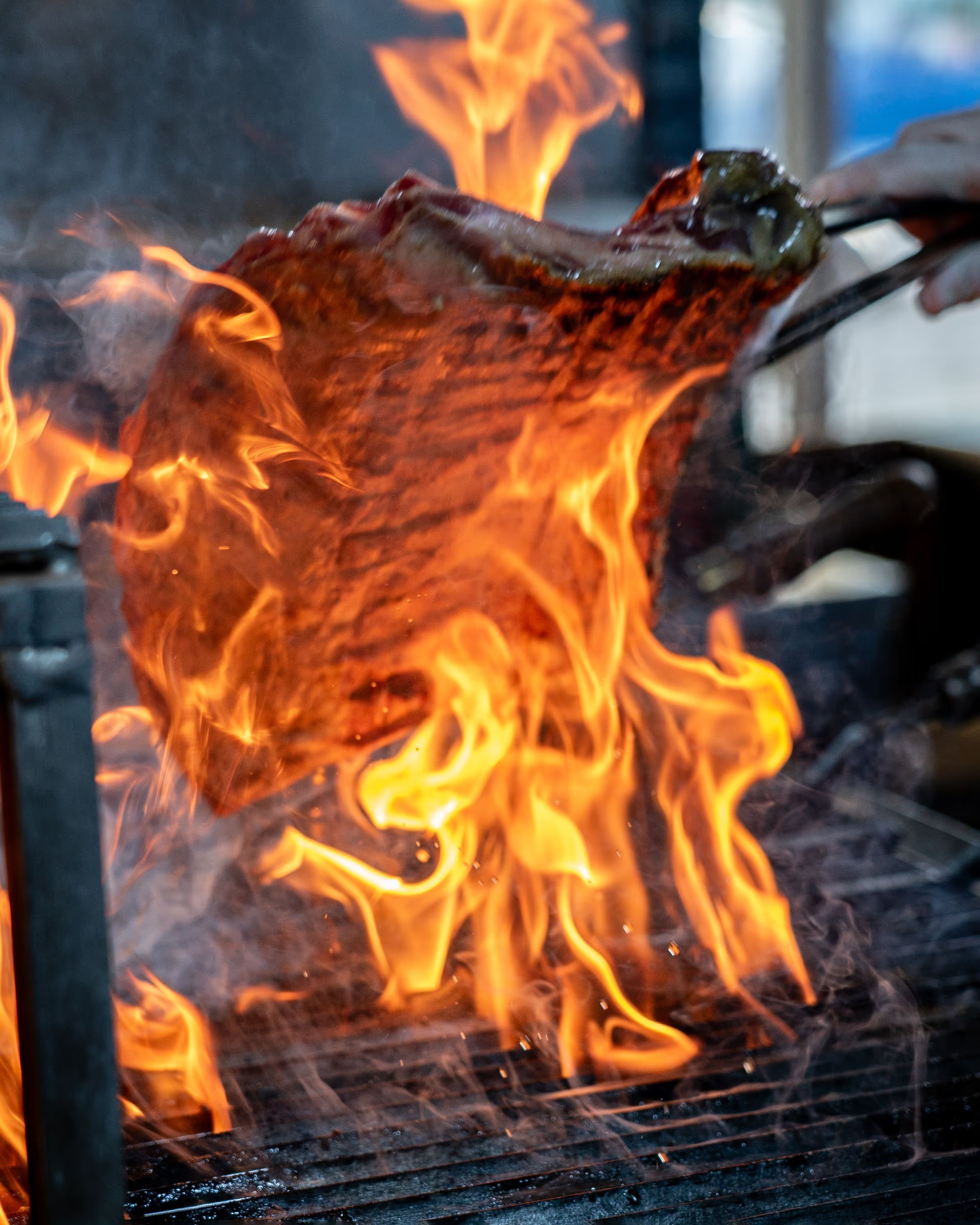
A dramatic flare makes an excellent photograph, but much parrilla cooking depends on managing embers, distance and time. A grill without constant visible flames is not evidence that nothing is happening.
Look at the care behind the service: how the cook handles different pieces, whether orders arrive as discussed, whether the meat and sides reach the table in a sensible sequence. Those details matter more to your meal than a moment of spectacle.
Avoid converting a restaurant visit into a cooking inspection. You are there to eat. A few informed observations can deepen the experience without turning the person at the grill into an exhibit.
Give the sides a real job
A side dish can bring acidity, freshness or a different texture to a meat-centred meal. It does not need to be an afterthought chosen once everything else has arrived.
A simple salad may be exactly right alongside a rich steak. Grilled peppers, aubergines or other vegetables offer a different kind of sweetness and char when they appear on the menu. Potatoes can be welcome too; consider the balance across the whole table rather than assuming every cut needs its own serving.
Chimichurri and salsa criolla
Chimichurri commonly combines herbs, garlic, oil, vinegar and seasoning, with recipes differing between cooks. Salsa criolla typically brings chopped vegetables and acidity. Neither is a standardised product whose flavour you can predict from the name alone.
Taste a little before covering the meat. A strong sauce can be delicious, but it may also obscure the difference between the cuts you ordered. Keeping it at the side lets you choose how much belongs in each mouthful.
Ask about ingredients if something matters to you. The friendly familiarity of a sauce name is not a reliable substitute for the kitchen's answer about its particular recipe.
When somebody does not eat meat
A parrilla may offer substantial vegetable dishes, salads and cheese, or it may offer little beyond accompaniments. Read the menu before choosing it for a mixed group.
Ask about separate preparation where that is important, and explain dietary requirements directly. A vegetarian-looking dish may include animal fat or other ingredients that are not obvious from its title.
The generous choice is to select a restaurant where everybody can assemble a satisfying meal. Nobody should have to spend a special evening watching others eat while making dinner from garnish.

Let the neighbourhood shape the occasion
The same style of meal can feel different depending on where it sits in the day. Rather than building a list of interchangeable steak stops, connect the table to the city around it. Check noise, seating, access and the time you want to spend there before booking; a lively counter and a quiet table suit different occasions.
Ask about the actual table. A view of the grill may interest one diner, while being able to hear companions matters more to another. Outdoor seating can bring traffic or weather; an upstairs room can introduce steps. Explain access, dietary and seating requirements when reserving.
A planned evening in Palermo
Palermo can suit a dinner that continues into an evening of bars or another nearby stop. The district is broad, so check the actual address against your accommodation and the rest of the night. A neighbourhood name alone does not mean a short walk.
If the restaurant is the main event, leave the surrounding schedule loose enough to enjoy it. Booking an important performance immediately afterwards can turn a leisurely meal into a clock-watching exercise.
Lunch among older streets
In San Telmo, lunch can punctuate time spent with the neighbourhood's older buildings, shops and market life. Choose the meal's size according to the afternoon you want. A modest shared order may leave more energy for walking than a full sequence of rich courses.
The market and the wider barrio offer different eating settings. Decide whether you want a bustling counter, a formal table or something in between; “traditional” does not describe one uniform atmosphere.
Photography deserves the same courtesy here as elsewhere. A cook, server or neighbour is a person doing something, not background decoration for a story about your lunch.
Make dinner fit the base you chose
For travellers staying around Belgrano, a nearby meal can be more appealing than crossing the city to repeat an experience already available locally. That is especially true after a long sightseeing day.
Villa Crespo and Chacarita offer another context for combining food with a more focused neighbourhood visit. Use the destination guide to choose the streets and interests that appeal, then find the table that fits them.
There is no need to turn every dinner into a separate expedition. One carefully chosen destination restaurant and several meals close to the day's activities can produce a more varied impression of the city.
Agree on the sequence
If you want starters followed by meat, say so. If you prefer several dishes together for sharing, explain that instead. The server can tell you what works with the kitchen's preparation and the size of the table.
When sharing, ask for the practical things that make it comfortable: extra plates, serving utensils or a little space before the next course. A crowded table is not necessarily a generous one if nobody can reach the food.
Late arrivals can complicate the sequence. Let the restaurant know whether the group wants to begin or wait, rather than placing an order whose timing depends on an absent person. The same courtesy applies if you have a firm departure time: mention it before selecting a long meal.
The goal is not to direct every minute of service. It is to remove the few misunderstandings that can interrupt an otherwise relaxed occasion. Once the restaurant knows what kind of evening you are hoping for, leave room for its way of delivering it.
Beyond Buenos Aires, keep the local setting in view
In Mendoza, a grilled meal may sit alongside a winery visit or a day in the city. The wine setting changes the occasion, but it does not remove the need to understand the menu. A fixed winery lunch and an à la carte parrilla involve different choices and different amounts of time.
If a tasting is already included, ask how it relates to the meal before ordering more wine. A pairing may offer several small pours; a shared bottle offers a different pace. Non-alcoholic options deserve the same attention as the wine list.
Transport belongs in the booking conversation too. Settle how the group will return before the first glass, and leave the details of wine-region planning to the dedicated destination and wine guides. Dinner should not end with a hurried attempt to solve a journey everybody assumed somebody else had arranged.
Wine is welcome, but not compulsory
Malbec is an obvious possibility, yet the best bottle is not automatically the strongest or most expensive one. Tell the server the style and price range you prefer. The Mendoza wine-regions story adds context for the place-names on a bottle. A lighter red, another variety or a non-alcoholic drink may suit the table better.
If one person wants only a glass, do not turn the bottle into a test of participation. Shared food does not require identical drinks. Water on the table and an order that suits each diner make a long meal easier to enjoy.
The same freedom applies at dessert. Splitting something sweet, ordering coffee or simply stopping after the main course are all reasonable endings. The meal has succeeded when the table is content, not when every section of the menu has been completed.
Build an order you will be glad you chose
Before ordering, bring the decisions together. A small amount of clarity at the beginning creates much more freedom once the food arrives.
- Name the appetite. Explain whether this is a light lunch, a substantial dinner or a tasting across several shared plates.
- Clarify the portion. Ask about weight, bone, sides and how the restaurant expects the dish to be shared.
- Choose a contrast. If trying two cuts, make their tenderness, richness or texture meaningfully different.
- Explain the cooking. Describe the centre you want and confirm any important dietary requirement.
- Leave space. A starter, a main and a good conversation can be enough.
A parrilla does not need to be approached as a catalogue of national obligations. Its pleasure is much more immediate: browned meat arriving at the right moment, something fresh alongside it, a sauce worth returning to and enough room on the table for everyone.
The most useful knowledge is the kind that lets you stop studying the menu. Once the order makes sense, the evening can belong to the company, the neighbourhood and the meal itself.


