Watch the habitat come alive
Argentina by its wildlife
Choose between wetlands, forest and southern coasts by the wildlife you hope to see, the season and the kind of observation you enjoy.
A whale's surfacing, a penguin's return and a movement in the reeds ask for different kinds of attention. Build a wildlife journey around the encounter, not the checklist.
A capybara feeding beside a lagoon, a whale surfacing in a gulf and a penguin returning to its nest offer very different ways of encountering Argentina. They are often presented together in a single enticing collection of photographs. On the ground, they belong to different climates, seasons, travel arrangements and styles of observation.
The first useful decision is therefore not how many animals to put on a list. It is what kind of wildlife day you want. You might enjoy a slow boat moving through wetland vegetation, a patient watch from a coastal viewpoint, or a forest walk in which the guide hears something long before you see it.
That choice gives a journey its shape. It also makes disappointment less likely. Wildlife does not appear on command, and even a successful sighting can feel thin if most of the day has been spent hurrying towards the next one. A good trip allows the habitat, the guide's knowledge and the small observations between famous encounters to matter.
Start with a habitat, then a species
Argentina's wildlife destinations are not interchangeable versions of a safari. In the Iberá wetlands, open water and vegetation edges can make animals relatively easy to observe. In the forest around Iguazú Falls, layers of foliage conceal much of what lives nearby. On Península Valdés, the relationship between coast, season and tide shapes the visit.
These differences affect how you spend time. A wetland outing may reward a slow approach and repeated pauses. Forest birdwatching asks you to listen, look through gaps and accept partial views. A coastal colony may be busy with animal movement while the visitor remains in one place.
Presence is not the same as a likely sighting
A species list describes what a protected area supports. It does not tell you what a short visitor will probably see. An animal may be rare, secretive, active at a different time or living in an area that is not open to tourism.
This is particularly important with large predators. Conservation work in Iberá and the presence of jaguars in the Atlantic Forest are significant stories. Neither justifies selling an ordinary short visit as a reliable jaguar encounter.
Ask a guide a better question than “Is this animal here?” Ask what is realistically observable on the proposed outing, at that time of year, with the time you have. A clear answer that includes uncertainty is more useful than a promise.
Choose the experience you would enjoy while waiting
A wildlife trip contains intervals when nothing dramatic happens. The right setting makes those intervals part of the pleasure. You may enjoy watching reeds move, learning to distinguish shorebirds or following the activity around a single nest.
If the only acceptable outcome is a close portrait of one famous animal, the whole journey becomes fragile. Choose at least one other reason to value the place: its landscape, a conservation story, local culture or the opportunity to learn a new way of looking.
The strongest wildlife plan has a principal hope and several worthwhile possibilities. That gives the guide room to respond to what is actually happening rather than trying to deliver a fixed sequence.
Iberá: the pleasure of looking slowly
Iberá is a freshwater wetland landscape of lagoons, channels, grasslands and wooded patches. Its appeal is not confined to one celebrated species. Capybaras, caimans, deer and a rich variety of birds make the relationship between water and land a rewarding subject in itself.
The openness of some habitats can be especially satisfying for a first wildlife-focused trip. You may be able to watch behaviour over several minutes rather than glimpse an animal disappearing through forest. A guide can explain how the surroundings support what you are seeing.
Choose a portal before choosing a room
Iberá has several visitor approaches. A booking described simply as “Iberá” may place you near a different portal, with different activities and a different arrival journey from the one you imagined. The wetland is not a compact attraction with every entrance connected by a quick drive.
Colonia Carlos Pellegrini is a useful base for the Laguna Iberá side. Other portals open different perspectives. Compare the actual location, available outings and transport arrangements before comparing hotel photographs.
An inclusive lodge programme may make meals, guiding and transfers straightforward. A more independent stay can offer flexibility, but the same services still need arranging. Compare like with like: room price alone does not describe the cost or character of the visit.
A boat trip is only one way to understand the wetland
Water-level observation brings you close to floating vegetation and the edges where animals feed, rest or move between habitats. The value of the outing depends partly on pace. A guide who stops to explain an ordinary-looking bird may give you more than a rapid circuit collecting recognisable species.
Land-based walks and permitted routes add another view. The same animal can behave differently away from the water's edge, and a grassland bird may become the most absorbing encounter of the day. Ask what your programme includes beyond the headline boat trip.
Morning and afternoon also differ. In hot conditions, early and later outings can be more comfortable; cooler weather may make the warmer part of the day useful. The national park's advice reflects those seasonal changes. Let current local conditions shape the schedule rather than assuming dawn is always the answer.
Conservation adds meaning without guaranteeing encounters
Iberá's restoration and reintroduction work is an important part of its modern story. Learning about the return of species can help explain why a functioning ecosystem involves more than the animals most easily photographed.
Keep the distinction between conservation and visitor access clear. A release site, monitoring project or research enclosure is not automatically a public excursion. A powerful conservation photograph may show a moment that ordinary visitors will never witness.
Ask how the business you book contributes locally: the guides it employs, the services it uses and the interpretation it provides. Specific answers are more valuable than a general claim to be “eco”. The communities around the wetland are part of a sustainable visit, not merely the place where a vehicle stops.
Iguazú: learn to see through the forest
At Iguazú, the falls command attention before the forest has a chance to explain itself. Yet the surrounding Atlantic Forest provides a completely different wildlife experience from open wetland or coast. Looking becomes more deliberate.
Animals occupy different layers, from the ground to the canopy. A movement above you may be brief; a call may be the first indication that anything is there. The guide's ability to interpret sound and behaviour can matter more than how far you walk.
Separate the falls day from the forest interest
The main circuits can produce incidental wildlife sightings, but a crowded viewpoint is not the same environment as a dedicated birdwatching outing. Decide whether wildlife is a pleasant addition to the falls or an important purpose of the stay.
If it is central, leave a separate period for it. Ask about a suitable authorised route and the sort of observation it supports. A forest morning with a specialist can add more than extending an already busy waterfall day until everyone is tired.
Do not measure the outing only by the number of visible species. Learning why a bird uses a particular layer of forest, or noticing a difference between riverbank and interior vegetation, gives future walks more interest.
Familiar animals still deserve space
Coatis can appear close to visitor areas. Their apparent ease around people does not make them pets or willing photographic props. Keep food secured and allow animals to move without being surrounded.
The same restraint applies to monkeys, birds and reptiles. Feeding changes the relationship between wildlife and people and can create problems that remain after the visitor leaves. A close approach is not automatically a better encounter.
One of the most distinctive sights at the falls is the activity of swifts around the water. Watching how they use a place that looks inhospitable to a person is a reminder that the landscape is habitat before it is spectacle.
Península Valdés: the calendar is part of the landscape
Valdés offers a different kind of abundance. Large marine animals gather along particular stretches of coast, while the steppe between viewpoints supports its own life. The temptation is to turn the peninsula into a circuit of famous names. A more rewarding approach begins with the season and one principal purpose.
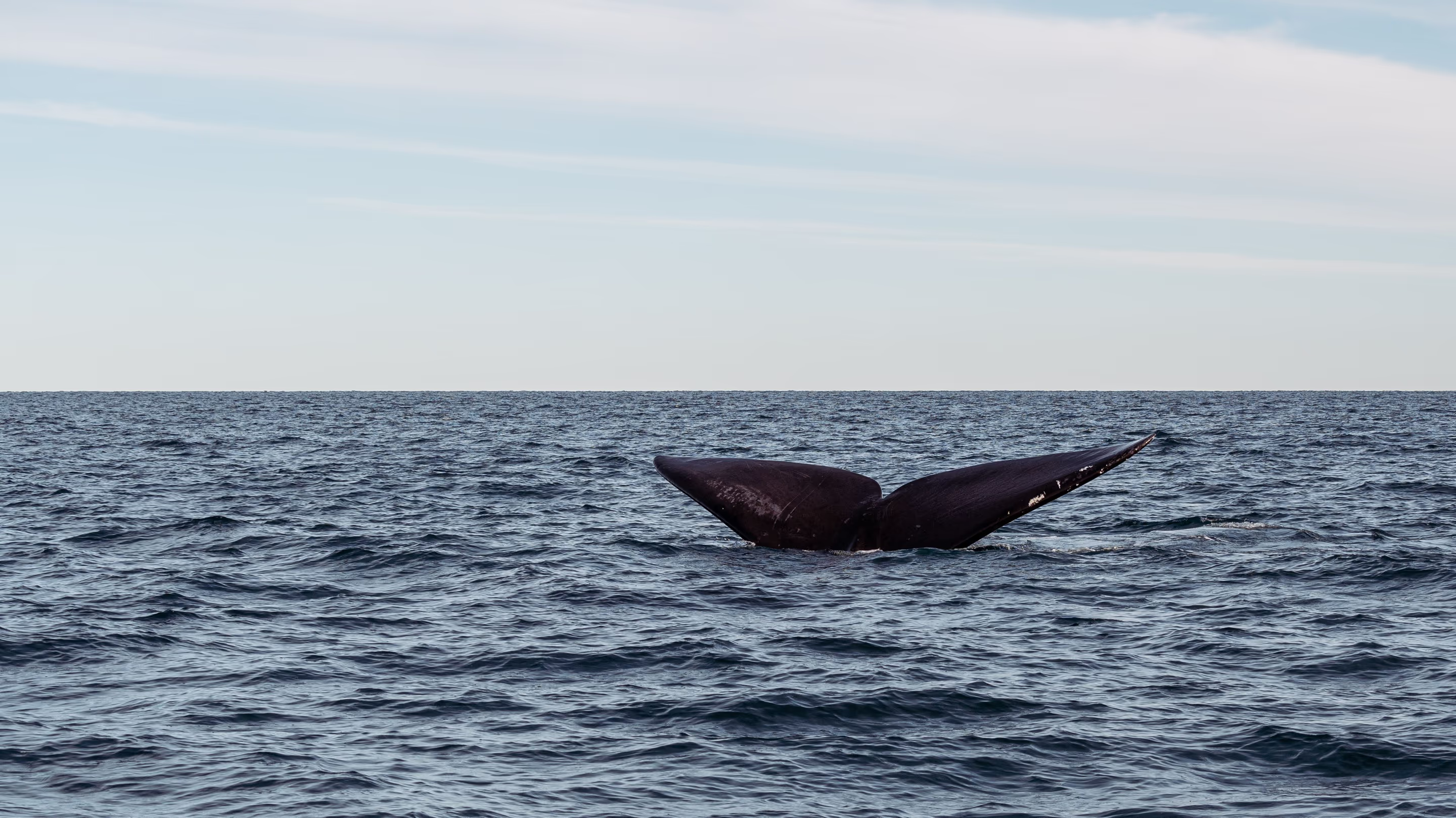
Southern right whales are associated with the winter-to-spring and early-summer period around the gulfs, while nesting penguins belong to another part of the annual cycle. Sea lions, elephant seals and orcas have their own patterns of presence and behaviour. There is no single month in which every celebrated scene is equally likely.
Whale watching: shore and boat are different experiences
A boat departure from Puerto Pirámides puts you onto Golfo Nuevo with an authorised operator. A shore visit in the El Doradillo area offers a different perspective, especially when whales are close to the coast during the appropriate season.
Choose according to what you want and what conditions allow. A boat gives movement across the water and a changing relationship to the animals. Shore observation allows a slower visit on land, with the coastline itself part of the experience.
Neither should be approached as a guarantee of a particular behaviour. A whale surfacing quietly can be as absorbing as a more dramatic movement once you begin to understand what you are seeing. Operators and guides should set expectations in those terms.
Do not ask one day to contain the whole peninsula
The road across Valdés is a substantial part of the visit. A whale departure, an eastern-coast outing and a long stay at a northern viewpoint compete for the same hours. Putting all of them into one day can leave little time with any of the animals.
A stay in Puerto Pirámides can make sense when the peninsula is the main subject. Puerto Madryn offers a larger town base and a wider range of coastal outings. The better choice depends on the experiences you have selected, not on an abstract preference for smaller or larger places.
At the isthmus visitor centre, current road and wildlife information can help refine the route. Treat that as useful planning information rather than a ceremonial stop before following an unchanged list.
Let the steppe interrupt the drive
Guanacos, maras and choiques belong to the peninsula's inland landscape. They may become the most memorable part of a journey between marine viewpoints. Looking for them also helps prevent the road from feeling like empty time.
Observe from safe, permitted positions and avoid pursuing animals with a vehicle. A photograph taken after forcing an animal to run tells a different story from quiet observation. The driver also needs time to enjoy what the rest of the group has noticed.
The land and sea are connected parts of the visit. Understanding that connection produces a richer impression than collecting separate portraits of a whale, a penguin and a sea lion.
Penguins: visit a colony, not a performance
At Punta Tombo, Magellanic penguins nest in a dry coastal landscape of earth, low vegetation and paths to the sea. For a visitor whose mental picture begins with ice, the setting itself is a discovery.
The important word is colony. You are entering part of a breeding habitat, where birds have work to do and routes of their own. The visit becomes more interesting when you watch those repeated movements instead of seeking a single close-up.
Different stages of the season tell different stories
Nest preparation, incubation, chicks and moult do not produce the same scene. Early and late visits can look markedly different even within the broad breeding season. Site opening dates are a separate matter and need current confirmation; compare penguin journeys with those seasonal stages and access formats in mind.
A moulting bird may look untidy and spend much of its time resting. That is not evidence that the visit has missed the “good” penguins. It is part of the animal's annual life, worth understanding on its own terms.
Use the interpretation centre to put the scene into context. The birds on land spend much of their lives at sea; feeding conditions and marine journeys connect the colony to a much larger environment than the visitor path reveals.
Give birds the right of way
Remain on the marked route and stop when birds cross. Do not close a gap because it would make a better photograph, surround an animal or follow it towards a nest. Quiet patience usually reveals more behaviour than constant repositioning.
Children can find a colony especially absorbing when given something specific to notice: the direction birds are travelling, the difference between resting and moving, or how a path connects with the shore. That is more useful than encouraging a hunt for the nearest individual.
Punta Tombo also needs its own place in the travel plan. It is not an effortless extra after a full peninsula circuit. The arrival journey, interpretation and walk deserve enough time that the colony does not become a hurried stop before a long return.
Orcas: make room for uncertainty
The famous orca hunting scenes associated with Valdés can create expectations out of proportion to the chances of witnessing them. Intentional stranding is exceptional behaviour linked to particular places, conditions and periods. It cannot be booked like a scheduled show.
Punta Norte is one of the best-known observation settings, but even a well-timed visit may involve hours of watching without an orca appearing. Tides and current local information matter; a generic annual calendar cannot describe a particular day's prospects.
A specialist interest needs a different amount of time
If orcas are the principal purpose of the journey, discuss that honestly with an experienced local operator before deciding the length of stay. A specialist visit and a general peninsula day have different expectations.
You should also be interested in the colony and coastline when the hoped-for predator is absent. Sea lions, the shape of the shore and the changing water are part of the ecological story. Waiting becomes easier when the place itself holds your attention.
Avoid anyone promising to manufacture an encounter or suggesting that wildlife rules are optional for a better view. The integrity of the experience depends on accepting the limits that make it possible.
Tierra del Fuego: coast and forest in the same stay
The Beagle Channel introduces islands, sea lions, cormorants and seasonal penguin interests against a very different landscape. It is a strong choice when you want wildlife within a broader far-south visit, rather than a trip organised exclusively around a single animal.
Read the excursion description closely. A shorter island circuit, a longer journey towards a penguin colony and an authorised landing visit are distinct products. A photograph of people ashore does not prove that every sailing includes the same access.
Compare the actual encounter
Ask where the vessel goes, whether passengers land, what wildlife is realistic for your dates and how long the outing lasts. This is particularly important when comparing a channel cruise with a colony walk elsewhere in Argentina.
A person who mainly wants to observe penguins on land may prefer a different arrangement from someone who values the channel journey itself. Neither choice is more authentic. The useful distinction is the experience each actually provides.
If your trip already includes a substantial Atlantic-coast wildlife stay, Tierra del Fuego should add something beyond another photograph of a sea lion. Its maritime setting, forest and island history may supply that difference.
The park is also a place to watch birds
Tierra del Fuego National Park brings coastal and forest birdlife into the same broader visit. Looking along a shoreline asks for different attention from looking among trees. A guided outing can connect those habitats.
Do not assume that a national-park drive automatically becomes a birdwatching day. The schedule needs enough time to stop and observe, and the chosen route should fit the interest. Shorter distances can be more productive than a hurried circuit.
As in the Northeast, a species' presence does not guarantee that you will see it. The satisfaction comes partly from learning how the place works, so that an unfamiliar bird becomes more than a fleeting shape.
Choose the month around your main hope
A useful wildlife calendar is a planning aid, not a list of appointments. Broad seasons help narrow dates, but local access, weather and animal behaviour determine what a particular visit can offer.
For a first comparison, think in terms of priorities:
- Whales around Valdés: investigate the broad June-to-December period, then confirm the season and excursion arrangements for your dates.
- Magellanic penguin colonies on the Chubut coast: consider the spring-to-autumn breeding cycle and ask which stage your visit will encounter.
- Iberá: choose the portal and activities, then adapt daily timing to heat, rain and current conditions.
- Iguazú forest wildlife: give observation its own time instead of relying entirely on incidental sightings during the falls circuits.
- Beagle Channel wildlife: confirm the exact route and seasonal colony access before comparing prices.
If two principal hopes fall in different seasonal windows, choose which matters most. Trying to average the dates can produce a trip that is poorly timed for both.
Build a journey with fewer abrupt changes
Iberá and Iguazú can form a Northeast wildlife-and-landscape journey, but the connection requires real planning. A map that places them in the same broad corner of the country does not make them adjacent.
Valdés and Tierra del Fuego belong to a much larger southern geography. Combining them can be worthwhile for a wildlife enthusiast with enough time; it should not be presented as an easy sequence of nearby coastal stops.
The existing regional guides handle the transport and base detail. This comparison is about choosing the encounters that justify those journeys. Select fewer places if that gives you repeated opportunities to observe rather than a single rushed attempt at each.
Good guiding changes what you notice
The most useful guide is not necessarily the person who names the most species. Look for someone who explains behaviour, reads conditions, respects access rules and helps the group observe without disturbing what it came to see.
Before booking, describe your interests and experience. A specialist birdwatcher, a family on a first nature trip and a photographer seeking time at one location may need different outings. Clear expectations help the operator suggest an appropriate programme.
Questions worth asking
A short conversation can reveal the character of an excursion:
- How much time is spent travelling compared with observing?
- Is the group expected to stay together, and how large is it?
- What happens if the principal sailing or route cannot operate?
- What equipment, shelter and access arrangements are available?
- Which sightings are realistic, and which would be exceptional?
- How does the guide respond when an animal changes its behaviour because people are nearby?
Specific answers are a better basis for a booking than an impressive gallery. Photographs may represent years of outings, while you are choosing one day.
Let observation come before identification
You do not have to know an animal's name before watching it well. Notice where it is, what it is doing and how it moves through the habitat. Those details help a guide explain the sighting and can be easier to remember than a rapid list of names.
Binoculars can transform the experience without requiring close approach. Learn to adjust them before the outing rather than while everybody else is watching the animal. A simple notebook can also help retain what made a sighting interesting.
The aim is not to become an expert in a morning. It is to leave seeing more than you noticed when you arrived.
Make the observation comfortable enough to last
Wildlife watching often involves more stillness than travellers expect. You may be comfortable walking along a coast and become cold while standing in the same exposed place. In a humid wetland, a slow outing can feel hotter than the distance suggests. Dress and equip yourself for the time spent observing, not only for the journey there.
Ask about the surface, the seat and the shelter
For anyone with limited mobility, fatigue or balance concerns, the practical details of an outing matter. A boat trip may avoid a long walk but involve a difficult boarding step. A viewpoint may be reached by vehicle but have uneven ground between the parking area and the place where people stand.
Describe the actual requirement to the operator. Ask whether there is seating, how far the approach is, what the surface is like and whether shelter or toilets are available. General assurances that a trip is “easy” are less useful than those concrete details.
The same questions help families and people who simply want a less demanding day. Choosing a comfortable observation setting is not a lesser wildlife experience. Remaining quietly in a suitable place can reveal more than covering a greater distance while uncomfortable.
Agree on a stopping point
Not everybody in a group wants to wait for the same length of time. Discuss that before a specialist outing, especially when an uncertain sighting is the main attraction. A guide can suggest an appropriate format, but cannot make a shared departure work as a private all-day watch without changing the arrangement.
Keep food and drink for designated places and follow local instructions about carrying them. A planned pause allows people to return to observation with more attention. The animals benefit too when visitors are patient enough to watch without pressing closer for a final hurried photograph.
Photograph the encounter without taking it over
Wildlife photography can deepen attention, but it can also turn every pause into a struggle for position. Decide whether the day is primarily a photographic outing or a shared nature visit, and book accordingly.
A small animal in a wider landscape can make a more meaningful image than a frame filled with fur or feathers. Include the water, vegetation or colony setting that explains why the animal is there. That also reduces the urge to get closer simply because the subject seems small on a phone screen.
A few habits improve the day for everyone
Keep the path open, avoid sudden movements and follow the guide's direction about where to stand. Do not use food, calls or repeated disturbance to draw an animal into a preferred position. If an encounter becomes crowded, stepping back can be the most considerate response.
Make some observations without a camera between you and the scene. Behaviour often becomes clearer over time, especially when you are no longer checking whether the previous frame was sharp.
The best souvenir may be something a photograph cannot hold: the moment you learned to hear a bird before seeing it, understood why a penguin was resting, or realised that the apparently empty steppe was full of movement. Plan for those discoveries, and Argentina's wildlife becomes more than a collection of famous animals.


