Choose your Argentina
Which Argentina belongs in your first trip?
City streets, rainforest, wine country or the far south: choose the places that suit the days you want to have.
Argentina is too large and too varied for one first trip to explain it. Start with the kind of days you enjoy, then choose the regions that give those days room.
A first trip to Argentina usually starts with a collection of images. A mountain reflected in still water. A pavement café beneath an elaborate balcony. A wall of falling water disappearing into spray. Vines with the Andes behind them. Each image is persuasive, and each belongs to a place that can occupy much more of a holiday than its position on a map suggests.
The useful question is what you want an ordinary day to feel like once you arrive. Would you rather walk between galleries and restaurants, follow a mountain trail, watch a wetland slowly reveal its wildlife, or spend an afternoon over lunch? Argentina can accommodate all of those preferences. A satisfying first visit gives the strongest preferences enough room to become experiences, rather than using them as reasons to keep changing hotels.
This is a comparison of regions and the kinds of journeys they support. The day-by-day arrangements come later. Begin with the places that excite you, then consider the effort, weather dependence and travel that make them work. A smaller route can still contain a remarkable range of Argentina.
Start with the days you want to remember
Write down three things that would make the journey worthwhile without naming a destination. Your answers might be “a good city to explore on foot”, “mountains I can experience without strenuous hiking” and “some exceptional meals”. Another traveller might choose a long walk, wildlife observation and very little urban time. Those are different trips, even if both travellers arrive carrying the same list of famous places.
Next, identify the preference you would be most disappointed to compromise. This becomes the centre of the route. If hiking matters most, protect enough time in the mountains to cope with a poor-weather day. If food and wine are the reason for coming, do not reduce Mendoza to the afternoon between flights. If the city is the attraction, give Buenos Aires proper days rather than treating it only as an arrival point.
Consider your tolerance for changing plans as honestly as your interests. A traveller who enjoys choosing a museum when it rains has more flexibility in a city than someone whose whole visit depends on one distant viewpoint. A person who loves a scenic drive may enjoy a road day that feels like lost time to somebody else. Neither preference is more adventurous or more discerning. It simply changes which regions deserve the larger share of the trip.
Finally, distinguish variety within a place from variety between places. Buenos Aires contains very different neighbourhoods. The Lake District contains forest walks, waterfront towns and road journeys. A region does not become repetitive because you spend several nights there. Frequently, those extra nights are what allow its differences to emerge.
Buenos Aires: choose it for the life between the landmarks
Buenos Aires rewards an appetite for cities themselves: their buildings, cultural institutions, food, public spaces and ordinary routines. The memorable part of a day might be a major museum, but it might also be the café where you stop afterwards or the avenue you follow on the way home. This is a strong choice when you want variety without moving your luggage each morning.
It helps to imagine the city as several connected days. Historic avenues and the civic centre belong to one conversation; Recoleta's art and architecture to another; San Telmo's market streets and cultural spaces to another again. Palermo can offer gardens, restaurants and contemporary city life without needing to stand for all of Buenos Aires. The neighbourhood guides are useful because “see Buenos Aires” is too broad an instruction to build a rewarding day around.
The city is also adaptable. An indoor cultural visit can take priority when the weather turns uncomfortable. A late evening can be followed by a gentler morning. Travellers with different interests can choose separate visits and meet for lunch. These are practical advantages, particularly after an international journey, and they can be more valuable than adding another distant destination.
Choose Buenos Aires for more than the expectation of European-looking architecture. Its buildings exist within an Argentine city, with its own political history, neighbourhood identities and contemporary cultural life. Make room for Argentine art, a guided interpretation of a historic district, or a tango experience whose format you understand. A performance, a lesson and a social dance evening offer different ways in.
The main tradeoff is that a large city still involves travel. A hotel near one set of restaurants is not automatically close to the museums or historic streets you most want to visit. Choose the base after identifying your likely days. Our four-day Buenos Aires itinerary offers one way to give the city substance before combining it with another region.
Iguazú and Iberá: two very different ways to pay attention
Iguazú is compelling when you want a powerful natural spectacle without making a long mountain hike the centre of the experience. The falls are part of a forested landscape, and a visit involves moving between viewpoints, walkways and the available park circuits. It is worth allowing the place to be larger than the single photograph that first brought it to your attention.
Puerto Iguazú is the practical Argentine base to consider alongside the park visit. Town, accommodation and falls are separate parts of the day, so a flight arrival does not automatically become a full afternoon at the waterfalls. Give the principal visit a proper place in the calendar. A second day may be valuable for another perspective, a slower return or a different side of the border, depending on your interests and the actual arrangements.
A Brazilian-side visit adds a border decision. It is not simply another circuit on the Argentine ticket. Check the entry requirements that apply to your documents and the transport that connects the visits. Some travellers will value the additional viewpoint; others will prefer more time on the Argentine side or a different experience altogether. There is no obligation to make the same choice as every organised tour.
Iberá offers a striking contrast. Here the appeal lies in observation: an animal partly hidden by vegetation, birds using a particular stretch of water, or a guide explaining what appears at first to be an empty patch of reeds. The wetland experience depends on patience and conditions. It works especially well for travellers who enjoy learning how a landscape functions, rather than measuring a day by the number of sights completed.
The national park’s biodiversity guide identifies marsh deer, pampas deer, maned wolves and the strange-tailed tyrant among Iberá’s wildlife. Treat that as an introduction to the habitat’s variety, rather than a checklist of animals a short outing will deliver. A guide’s explanation of where different species live can be rewarding even when the animal itself remains out of sight.
Do not confuse a thematic pairing with an easy connection. Iguazú and Iberá both belong to the Northeast, but accommodation bases and access routes matter. A stay near Colonia Carlos Pellegrini is different from one at another wetland portal. The seven-day Iguazú and Iberá itinerary gives the road journeys and gateway nights explicit space. Choose the pairing when you want both experiences enough to make that travel worthwhile.
Salta and Jujuy: landscape with a cultural conversation
The Northwest suits travellers who want villages, food, built heritage and dramatic scenery to remain part of the same journey. It is less about selecting a single scenic attraction and more about how places connect: a city stay, a valley road, a village square, a meal and another change in the landscape.
Salta can provide the urban beginning. Its central architecture, museums and evening cultural options give the journey context before you move into the valleys. A stay here also lets you decide which direction matters most. The Quebrada de Humahuaca, the Calchaquí Valleys and the wine country around Cafayate are related possibilities, but they are not interchangeable extensions of one short day trip.
In Jujuy, Purmamarca and Tilcara offer different bases within the broader Quebrada experience. A village stay allows you to see streets and surrounding hills beyond the busiest excursion hours. It also creates time for interpretation. Archaeological sites, religious buildings, markets and everyday neighbourhood life should not be treated as decorative stops between viewpoints.
This is a region where the road itself can become a major part of the holiday. That is attractive if you enjoy changing scenery, deliberate stops and the process of moving through a landscape. It is less attractive if you strongly dislike repeated packing or expect each destination to be connected by a short, effortless journey. A concentrated route with fewer bases often gives a better introduction than a large loop assembled from photographs.
High roads and viewpoints require their own decisions. Do not assume that a famous lookout is suitable for everybody simply because an excursion is sold to visitors. The altitude and health guide explains what to consider before selecting those outings. A rewarding Northwest trip can include substantial cultural and landscape interest without making the highest available viewpoint its measure of success.
Choose this region when you want to understand differences between places. Leave enough time for a village walk, a museum or a meal to change the way you read the scenery. Those experiences are what distinguish the journey from a sequence of roadside photographs.
Mendoza and Cuyo: a region best approached through a few good choices
Mendoza is especially attractive to travellers who enjoy food, wine, landscape and the pleasures of a settled base. It can support a sociable trip with generous meals and a manageable number of appointments. The quality of the choices matters more than the quantity of tasting rooms.
Start by deciding whether you want city evenings or a stay in the vineyard landscape. Mendoza city gives you restaurants, public spaces and more freedom to choose what happens after an outing. A rural stay can provide quiet, views and a closer relationship with one property, but dinners and transport require more deliberate arrangements. Neither version is automatically the more authentic wine-country experience.
The main wine areas also deserve separate consideration. Luján de Cuyo, Maipú and the Uco Valley offer different settings and visiting possibilities. Their names do not describe three neighbouring estates that can be connected casually in an afternoon. Choose the actual visits, then arrange the journey around them. A winery lunch may be the central event of the day, with the vineyard and cellar visit providing its context.
Non-drinkers can enjoy architecture, food and the agricultural landscape, but the available experience should be confirmed before booking. Do not assume every tasting visit has an equally interesting alternative. Travelling companions deserve an outing chosen for their interests as well as those of the person most enthusiastic about wine.
The mountains are another reason to consider Cuyo, though they should not become an automatic addition to a full wine day. A separate Andes excursion changes the transport, conditions and timing involved. If mountain scenery is the main attraction, assess that outing directly rather than treating Mendoza's vineyard photographs as a promise of immediate access to the high country.
Choose this region when you would enjoy ending a day at the table. If you prefer constant activity and dislike appointments, select a few visits with care and keep the rest flexible. More reservations do not necessarily produce a richer understanding of the place.
Córdoba and the sierras: give the middle of the country a fair hearing
Córdoba is easy to overlook when a first itinerary is dominated by the most widely circulated photographs. It deserves consideration if you enjoy historic cities and want to combine cultural visits with a longer, less hurried stay in smaller towns and surrounding landscapes.
The city offers a different urban experience from Buenos Aires. Its historic centre and Jesuit heritage can anchor a cultural day, while the practical appeal lies in giving those visits enough attention rather than comparing every street with the capital. A regional journey can then continue into the sierras, where the choice of valley and base changes how you spend your time.
Calamuchita and Traslasierra are useful starting points for that comparison. Think about whether you want village walks, riverside time, a scenic drive or a base from which to make a few chosen outings. These areas should not be combined automatically merely because they share the word “sierras”. Crossing between them can use time that might be better spent in one valley.
This region may appeal particularly to travellers who do not need every day to deliver a globally famous sight. That is not an argument for treating it as filler between bigger destinations. It is a reason to choose it on its own merits: the relationship between city and countryside, different town atmospheres, and the opportunity to settle into a place.
A quieter programme is still a programme. Research the actual town, accommodation and seasonal activities that interest you. Broad labels such as “the countryside” can hide significant differences in access and atmosphere. Give Córdoba and its surrounding landscapes a defined role in the trip, and they can contribute something more distinctive than another hurried flight to a familiar name.
The Lake District: forests, water and the freedom to vary the effort
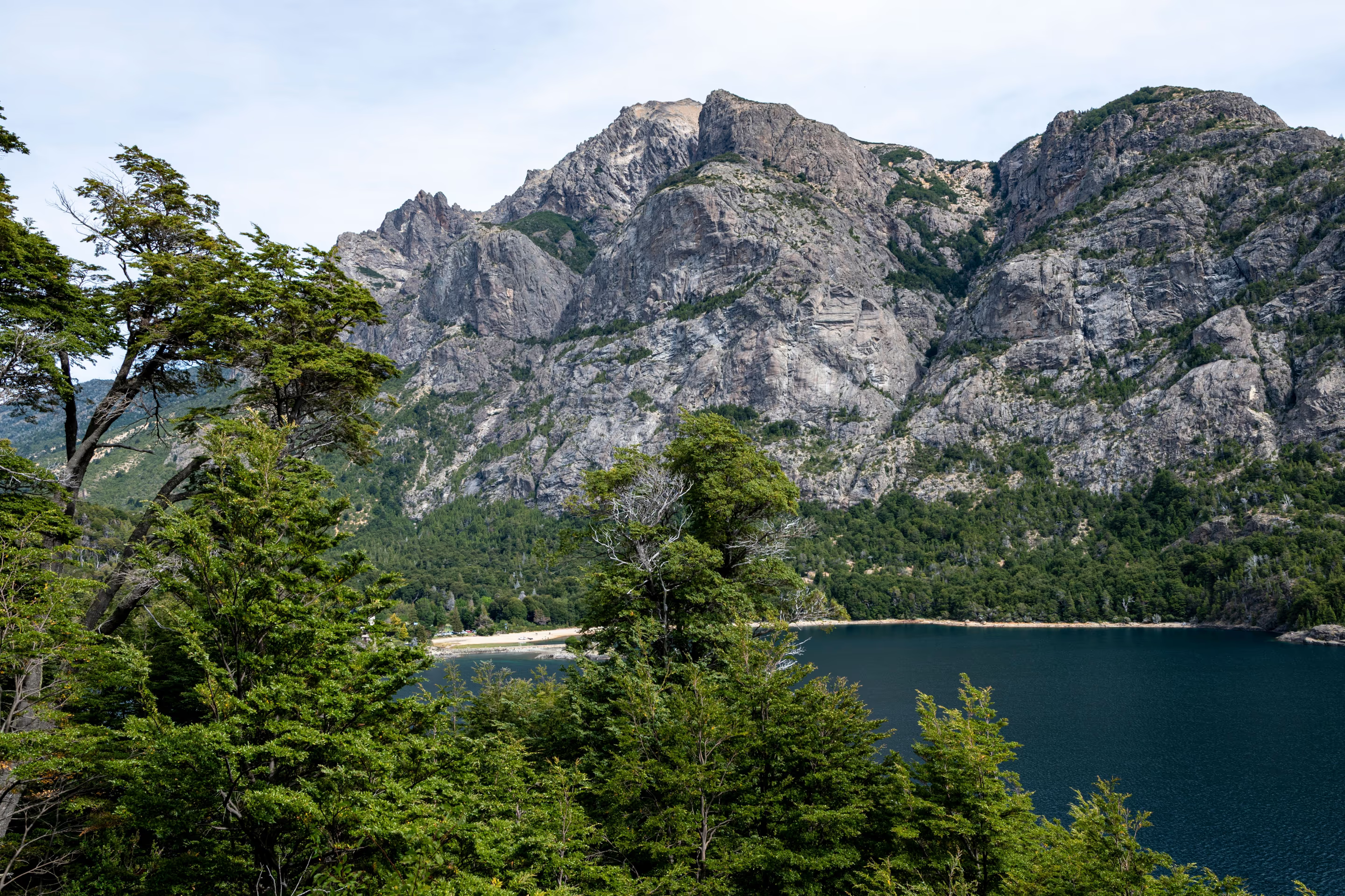
Northern Patagonia is a strong candidate when you want mountain scenery with several ways to experience it. Lakeside walks, scenic roads, boat outings and more demanding hikes can coexist within the same regional stay. That variety can work well for couples or groups whose preferred levels of activity are different.
Bariloche provides a substantial town base and access to the landscapes around Nahuel Huapi. It is worth distinguishing the town, the wider lake area and the individual outings. A day on Circuito Chico is not the same as a boat excursion, and neither should automatically be fitted around a long hike. The practical advantage of staying several nights is being able to choose among those possibilities as the weather and your energy become clearer.
Villa La Angostura and San Martín de los Andes offer different town settings and make a longer journey north worth considering. The Route of the Seven Lakes can be an enjoyable road day when its stops have space. It becomes less rewarding when a late arrival or a distant return flight forces every viewpoint into a short pause.
Decide early whether the journey is a loop or a one-way route. The answer affects car collection and return, departure airports, nights and the amount of repeated driving. A photograph of a clear lake cannot settle those questions, but the practical arrangement can determine how much freedom you have to enjoy the landscape.
Season changes the trip rather than merely changing its clothing requirements. Snow-related activities and winter driving involve different plans from a summer lakes-and-walks journey. At other times, a mix of forest, town and water experiences can provide useful flexibility when a particular mountain view disappears into cloud.
Choose the Lake District if you like having options within a scenic region. It can be active without requiring every day to be strenuous, or relaxed without limiting the trip to looking at the same view. The best version gives a few chosen bases enough time to show their differences.
El Calafate and El Chaltén: separate seeing the ice from walking into the mountains
Southern Patagonia often supplies the image that starts an Argentina trip. The next step is to understand what that image asks of the traveller. Glacier viewpoints and long mountain trails can belong to the same regional holiday, but they involve different forms of effort and different expectations.
El Calafate is the base to consider for a visit to Perito Moreno Glacier. Walkway viewpoints offer a way to experience the scale and texture of the ice without making a mountain trek the central activity. Boat trips and other organised experiences are separate choices, with their own arrangements. You do not need to book every available format to justify coming.
El Chaltén is a different proposition. Its appeal is closely connected to spending time on trails and letting weather influence the order of the days. Some outings are shorter than others, but the best-known high viewpoints should not be described as effortless walks. Choose routes according to current conditions, preparation and your actual ability, rather than the persuasive power of a photograph.
For keen walkers, additional nights can be especially valuable here. A clear day is easier to use well if you are already in town, rested and prepared. A very short stay can make the whole visit depend on conditions during one narrow opportunity. The extra time may be used for another walk, a rest day or a return to a place whose mood has changed.
For travellers who do not enjoy hiking, the balance should be different. More time in El Chaltén is not automatically better than an appropriately paced glacier visit followed by another region. Consider how you would spend a cloudy day and whether the available shorter outings appeal to you. It is perfectly reasonable to admire the mountains without building the entire holiday around walking towards them.
The journey between the two towns also needs a place in the itinerary. Protect the onward departure rather than relying on a distant road transfer to meet a tight flight. Our eight-day glacier-and-mountain itinerary shows one way to separate the main experiences and preserve flexibility.
Ushuaia and the Atlantic coast: two different reasons to extend Patagonia
Ushuaia deserves its place when the meeting of mountains, forest and sea is part of what you want from Argentina. The Beagle Channel and Tierra del Fuego National Park provide different ways into that setting. The city also offers maritime and regional history, which can give a far-south stay more substance than a collection of excursions.
Ask what the extension adds to the journey you are already considering. If you have allowed only a brief mountain stay farther north, another flight south may contribute less than more time where you are. If a marine landscape, a national park at the edge of the channel and the city's history are important interests, Ushuaia can be a deliberate destination rather than a final box on the map.
The formats of marine outings matter. A classic channel navigation, an excursion with a landing and a seasonal wildlife programme are not equivalent bookings. Check what is actually included. A short itinerary should identify its main priorities early enough to allow a weather-related change where the operator and schedule make that possible.
Atlantic Patagonia offers another comparison. Puerto Madryn and the wider coast are particularly relevant when wildlife is the purpose of the trip. Choose dates and outings around the animals and habitats you hope to observe, while accepting that sightings remain variable. A wildlife journey depends on more than being in a coastal town with an appealing photograph.
These two Patagonian choices are not substitutes for one another. They can also become too much when added automatically to an already busy glacier-and-hiking route. Give each extension a clear reason to exist. If you cannot describe how you want to spend its full days, keep the time in a region you already know you want to explore.
Use the calendar to test the idea
Once two or three regions have emerged as serious possibilities, place them on a calendar that includes arrival and departure. Label travel days honestly. A flight with an airport journey, check-in and a transfer at the other end may leave only part of a day for the destination itself. A road journey can be enjoyable, but it still belongs in the count.
Then mark the experiences that need flexibility. A weather-dependent hike, a wildlife outing and a booked winery lunch place different demands on the surrounding days. Avoid giving every region exactly the same number of nights simply because equal boxes look tidy. Allocate time according to what you want to do and what can realistically change.
The order should be tested against actual transport available for your dates. Do not design a route around an assumed direct flight between two cities and discover later that the connection is awkward. Equally, a possible connection is not automatically a good reason to add a destination. The journey should serve the visit rather than become its main achievement.
Check the season region by region. Argentina's size means that one national weather label is rarely helpful. Your preferred month may favour one kind of activity while making another less suitable. Use the seasonal planning guide to refine the choice, then consult the relevant destination and park information before committing to detailed arrangements.
If the route feels crowded, remove a region before shaving a night from every stop. Preserving one complete experience is often more satisfying than keeping several names while weakening all of them.
Make the first trip a beginning
You do not need to represent the whole country in one holiday. A Buenos Aires-and-Mendoza journey can be complete on its own terms. A Northwest trip can provide cultural and landscape variety without continuing to Patagonia. A longer southern journey can give the mountains and coast serious attention while leaving the northern regions for another visit.
Keep one question beside the final plan: does each place have enough time to offer the experience that made you choose it? If the answer is no, adjust the route while the decisions are still easy. Another night is useful when it changes the possibilities of a place; another destination is useful when it adds something you actually want.
The strongest first itinerary is recognisably yours. It reflects how you like to spend a day, what you are willing to organise, and where you want to linger. Argentina provides the range. Your task is to choose a part of it that you can experience with attention.


